1. Core Value of Rapid Temperature Cycling Testing in Reliability Validation
1.1 Significance of Environmental Reliability Testing in Global Manufacturing
In modern global industrial manufacturing, a product’s environmental adaptability and operational reliability are core determinants of its service life and market competitiveness. All mainstream industrial products, including consumer electronics, automotive components, semiconductors, and aerospace equipment, must undergo rigorous environmental reliability validation before global market launch.
As a critical piece of environmental simulation testing equipment, the rapid temperature change test chamber replicates extreme and fluctuating temperature conditions encountered during product storage, transportation, and real-world service. It effectively evaluates product structural integrity and functional stability under rapid thermal variation stress.
Lab Companion is a premium environmental test equipment brand rooted inChina’s advanced intelligent manufacturing industry. With over 20 years of specialized focus on reliability testing equipment R&D and production, our TC Series rapid temperature change test chamber has become a trusted solution for global enterprises. Featuring precise temperature regulation, wide temperature coverage, and multi-speed thermal cycling options, it is widely applied in Environmental Stress Screening (ESS) and high-standard product reliability verification worldwide.
1.2 Core Technical Challenges of Rapid Temperature Change Testing
Compared with conventional constant temperature testing, rapid temperature cycling poses stricter technical requirements for test equipment. It demands ultra-fast response from heating and refrigeration systems to achieve drastic temperature shifts within a short period. Meanwhile, consistent temperature field uniformity and high control accuracy must be maintained throughout rapid thermal changes to prevent distorted test data and ensure valid, repeatable results.
Targeting these universal industry technical pain points, Lab Companion (Made in China) has completed systematic optimization for the TC Series. With self-developed refrigeration architecture, optimized air duct structure, and intelligent adaptive control algorithms, our equipment delivers stable, high-precision performance even under high-speed temperature cycling conditions, solving the core industry challenge of balancing fast ramp rates and uniform temperature control.
2. In-Depth Interpretation of Core Technical Parameters
2.1 Ultra-Wide Temperature Range for Full-Condition Coverage
Temperature coverage is the foundational indicator of environmental test chamber performance. The standard model of Lab Companion TC Series delivers a wide temperature range of -70℃ to +150℃, covering extreme low-temperature cold environments and high-temperature industrial operating conditions. It fully meets the full-temperature-cycle reliability testing requirements for most commercial and industrial products across global industries.
To accommodate customized demands for high-end fields such as semiconductors and aerospace, Lab Companion supports exclusive temperature range extension solutions. As a professional Chinese manufacturing brand, we tailor ultra-low and ultra-high temperature testing configurations to match stringent international industry standards and special client testing scenarios.
2.2 Multi-Grade Temperature Ramp Rates for Flexible Testing
The temperature ramp rate defines thermal stress intensity and overall testing efficiency, serving as the core performance metric of rapid temperature change chambers. The Lab Companion TC Series provides five optional ramp rates: 5℃/min, 10℃/min, 15℃/min, 20℃/min, and 25℃/min, supporting both linear and non-linear temperature variation modes. Global users can flexibly select parameters based on international test specifications and product characteristics.
• 5℃/min: Suitable for conventional thermal cycling tests, simulating gradual natural ambient temperature changes for general product reliability validation.
• 10℃/min: Ideal for standard environmental stress screening, achieving an optimal balance of testing efficiency and energy consumption.
• 15℃/min: Applies medium-intensity thermal stress to accelerate the exposure of latent defects in precision electronic components.
• 20℃/min: Enables high-efficiency stress screening, significantly shortening test cycles and accelerating customer R&D iteration and time-to-market.
• 25℃/min: Supports extreme thermal stress testing to meet the rigorous verification standards of high-end semiconductor, aerospace, and precision industrial products.
Taking the typical semiconductor thermal cycle test (-40℃ to +150℃) as an example, the 20℃/min ramp rate drastically reduces single-cycle testing duration, improving laboratory operational efficiency and helping global clients accelerate product launch progress.
2.3 High-Precision Temperature Control & Uniformity
Maintaining precise and stable temperature control during rapid thermal cycling is the key benchmark of premium equipment quality. The Lab Companion TC Series achieves industry-leading precision performance: Temperature Deviation: ±1.5℃, Temperature Fluctuation: ±0.1~±0.5℃, Temperature Uniformity: ≤±2℃. This ensures consistent thermal conditions across the entire test workspace, guaranteeing accurate and reproducible test data.
This superior precision stems from Lab Companion’s accumulated Chinese manufacturing technology advantages. The optimized closed-loop air duct structure realizes uniform internal air circulation without temperature dead zones. Equipped with high-precision sensors and self-adaptive intelligent control algorithms, the system achieves real-time dynamic temperature calibration and precise regulation throughout all test stages.
3. Analysis of Core Technical Systems
3.1 Dual-Stage Cascade Refrigeration System
A high-performance refrigeration system determines the equipment’s low-temperature capacity and cooling response speed. Developed and optimized based on Chinese advanced industrial refrigeration technology, the Lab Companion TC Series adopts a high-efficiency dual-stage cascade refrigeration system.
The system consists of independent high-stage and low-stage refrigeration loops connected via an evaporative condenser for efficient heat exchange. The high-stage loop provides stable condensing load for the low-stage system, while the low-stage loop directly delivers precise cooling capacity to the test chamber. This cascade design effectively reduces compressor pressure ratio, boosts overall refrigeration efficiency, and supports stable operation at -70℃ ultra-low temperature.
All core refrigeration components adopt globally renowned high-quality accessories. Supported by intelligent energy regulation technology, the system automatically matches power output according to different temperature ranges and ramp speeds, ensuring long-term stable operation and low energy consumption for global users.
3.2 Q8 Intelligent Control System
Lab Companion equips the TC Series with the self-developed Q8 intelligent control system, integrating AI fuzzy logic and self-tuning PID technology to realize adaptive and high-precision temperature regulation.
Featuring a large full-color touchscreen with English-Chinese bilingual switching, the system delivers an intuitive and user-friendly operation interface for global users. It comes with built-in universal international test program templates and supports custom multi-segment program editing and cyclic operation, fully adapting to complex global testing process requirements.
In terms of data management, the Q8 system supports real-time data display, automatic storage, one-click export, and standardized test report generation for complete data traceability and analysis. It also integrates remote monitoring functions, allowing users to view equipment operating status and test progress remotely, realizing intelligent and unmanned laboratory management.
3.3 Multi-Layer Comprehensive Safety Protection Mechanism
Safety is the primary premise for long-term stable equipment operation. Adhering to strict Chinese industrial safety standards and international certification specifications, the Lab Companion TC Series is equipped with a full set of multi-dimensional safety protection mechanisms to safeguard equipment, samples, and operators.
Temperature safety protection: An independent over-temperature protection device automatically cuts off heating and refrigeration power and triggers audible and visual alarms once the temperature exceeds the safe threshold, preventing sample damage and equipment failure caused by temperature runaway.
System operation protection: Built-in compressor overload protection, high/low pressure protection, fan fault alarm, and leakage protection realize full-time monitoring of refrigeration and electrical systems to eliminate potential operating risks.
Operational safety protection: The door safety interlock automatically pauses ongoing tests when the chamber door is opened, protecting operators from extreme temperature injuries.
4. Product Portfolio & Global Application Scenarios
4.1 Full-Size Product Matrix & Customization Capability
As a reliable Chinese intelligent manufacturing brand, Lab Companion builds a complete product matrix covering diverse testing scenarios, ranging from 50L desktop compact chambers to 20m³ large walk-in thermal rooms, meeting the testing demands of different sample sizes and batch volumes.
Desktop Series (50L~150L): Compact footprint and flexible operation, ideal for laboratory R&D and small component testing.
Standard Series (225L~1000L): Widely applicable to module and small finished product testing, serving as the most mainstream specification for global industrial laboratories.
Walk-In Series (2m³~20m³): Customizable large-space chambers for whole-machine, large-component, and multi-batch simultaneous testing.
Meanwhile, Lab Companion provides professional non-standard customization services, including special temperature ranges, ultra-fast ramp rates, multi-zone temperature control, and explosion-proof designs, to deliver personalized testing solutions for global high-end clients.
4.2 Multi-Industry Global Application
Benefiting from reliable quality and international standard compliance, the Lab Companion TC Series is widely exported and applied in semiconductor, automotive electronics, new energy, aerospace, communication, and medical industries worldwide.
Semiconductor & Electronic Industry: Conducts environmental stress screening for chips, PCBs, and precision electronic components, accelerating the exposure of manufacturing defects and improving product reliability.
Automotive Electronic Industry: Meets global automotive grade testing standards to verify the operational stability of automotive sensors, control modules, and in-vehicle systems under extreme temperature fluctuation.
New Energy Industry: Performs thermal cycling tests for battery modules and BMS systems to evaluate the environmental adaptability and service life of new energy products.
Lab Companion consistently delivers high-qualityMade in China environmental test equipment to support high-standard reliability verification for global high-end manufacturing industries.
5. Brand Strength & Global Service System
5.1 Independent R&D Strength & Strict Quality Control
Lab Companion is backed by a national high-tech enterprise in China, specializing in the R&D and manufacturing of environmental test equipment. With over two decades of industry experience, we own independent intellectual property rights and core technologies in refrigeration systems, structural design, and intelligent control algorithms.
We implement a strict full-process quality management system certified by ISO9001, ISO14001, ISO45001, and ISO27001. Every piece of equipment undergoes rigorous factory performance calibration and aging testing, ensuring stable and consistent quality for all global end users.
5.2 Global Online Technical Support & Full-Lifecycle Service
Rooted in China’s advanced manufacturing base, Lab Companion focuses on global market layout and international user service. To adapt to overseas user scenarios, we provide full-lifecycle online technical support for all global clients (no on-site door-to-door service for overseas regions).
Our professional international service team provides one-stop remote support covering pre-sales solution consultation, model selection guidance, equipment operation training, real-time online debugging, fault diagnosis, and regular technical maintenance guidance. We ensure 24-hour rapid global response, efficiently solving equipment operation problems remotely and guaranteeing continuous and stable laboratory testing progress for overseas users.
Lab Companion — Your Reliable Made-in-China Partner for Global Environmental Reliability Testing. We will continue to empower global manufacturing quality upgrading through technological innovation and professional cross-border services.
1. Standard-Driven Testing Upgrade for Semiconductor & Automotive Electronics
Semiconductor and automotive electronic reliability testing is governed by two globally authoritative standard systems: the JEDEC JESD22 series for semiconductor components and theAEC-Q series for automotive-grade electronics. As the core mandatory environmental stress test for both standards, thermal cycling and rapid temperature change testing verifies the long-term durability and structural stability of electronic products under extreme temperature conditions.
With continuous tightening of industrial certification specifications, conventional thermal chambers can no longer meet upgraded compliance requirements. JEDEC JESD22-A104 imposes strict constraints on test temperature ranges and temperature ramp rates, while AEC-Q100 strictly regulates ramp speed, extreme temperature dwell time and cycle counts for automotive qualification. The combination of thermal cycling stress and EMC shielding testing creates dual technical challenges that traditional testing equipment cannot address, resulting in inaccurate data and poor test repeatability.
The Lab Companion EMC Shielded Rapid Thermal Cycling Chamber is professionally developed for full compliance with JEDEC and AEC-Q global standards. Serving as an all-in-one composite test platform, it delivers standardized, high-precision environmental simulation to support full-process reliability verification covering semiconductor chips, electronic modules and complete vehicle electronic systems.
2. JEDEC JESD22-A104 Standard Requirements for Semiconductor Testing
2.1 Core Specifications of JESD22-A104 Thermal Cycling Test
JEDEC JESD22-A104 is the universal industry benchmark for semiconductor thermal cycling validation. It is designed to evaluate the fatigue resistance of IC packages, bonding wires, solder joints and molding compounds under repeated high and low temperature alternating stress.
The standard defines clear test parameters: a temperature range of -65℃ to +150℃, 10 to 15 minutes of dwell time at extreme temperatures, a minimum ramp rate of 15℃/min, and up to 1000+ continuous thermal cycles. This test effectively exposes common latent failures including package cracking, bond wire fracture, molding delamination and solder ball detachment.
It mandates air-to-air thermal cycling with stable and controllable temperature ramp speeds, ensuring tests capture cumulative thermal fatigue effects rather than instantaneous thermal shock. This requires test equipment to deliver excellent temperature accuracy, uniform internal temperature distribution and consistent ramp stability.
2.2 Precision Requirements for Modern Semiconductor Reliability Testing
Today’s semiconductors feature high integration, miniaturization and high operational performance, leaving extremely low tolerance for testing errors. JEDEC official certification demands highly repeatable, traceable and authoritative test data.
Traditional thermal chambers suffer from uneven temperature fields and unstable ramp control, leading to inconsistent test results, repeated certification trials and delayed product launches. To resolve these pain points, semiconductor testing equipment must meet three core criteria: full coverage of JEDEC standard temperature ranges, high-precision constant temperature control for reliable certification data, and efficient rapid thermal cycling to accelerate R&D and mass production screening.
3. Lab Companion’s Full Compliance with JEDEC Industrial Standards
3.1 Ultra-Wide Temperature Range with Ample Performance Margin
Lab Companion EMC shielded rapid thermal cycling chambers adopt a premium temperature design, with a standard test range of -70℃ to +150℃ and an ultra-low temperature limit of -80℃. This fully covers the -65℃ to +150℃ test range specified by JEDEC JESD22-A104. The reserved low-temperature performance margin ensures stable long-term operation even during high-frequency cyclic testing.
Standard units achieve a temperature fluctuation of ±0.5℃ and a temperature uniformity of ±2.0℃. For high-end semiconductor precision testing scenarios, dedicated models support ultra-high precision control with ±0.2℃ fluctuation and ±0.4℃ uniformity. The optional AI intelligent temperature control system automatically adjusts operating parameters based on component heat capacity, ensuring consistent compliance with JEDEC standard requirements.
3.2 Stable Ramp Rate Exceeding JEDEC 15℃/min Mandatory Standard
Lab Companion chambers support adjustable linear and non-linear temperature ramp rates ranging from 5℃/min to 25℃/min. The mainstream model only takes 6.25 minutes to complete heating from -40℃ to 85℃, delivering a stable ramp rate above 15℃/min to fully meet the mandatory requirements of JEDEC JESD22-A104.
For extreme stress screening and high-strength aging tests, an optional liquid nitrogen cooling system supports ramp rates over 20℃/min. All equipment is CE certified, providing qualified and reliable hardware support for semiconductor enterprises’ JEDEC certification applications.
3.3 Full-Process Adaptation for Chip R&D and Final Testing
Lab Companion provides semiconductor-specific thermal cycling solutions that cover the entire industrial chain, including chip design verification, packaging testing and mass production reliability screening. Equipped with a dual-stage cascade refrigeration system and optimized air duct structure, the equipment delivers ultra-stable temperature field performance and supports 24/7 unattended continuous cyclic testing.
The built-in high-precision data logging system fully records real-time temperature curves and equipment operation logs, enabling complete data traceability to support factory quality management and third-party certification audits.
4. AEC-Q Standard Compliance for Automotive-Grade Electronic Verification
4.1 Core Thermal Cycling Specifications of AEC-Q100
AEC-Q100 is the fundamental stress test standard for automotive-grade integrated circuits. It specifies two levels of thermal cycling conditions: a conventional range of -55℃ to +125℃ and a harsh extended range of -65℃ to +150℃. To ensure complete thermal saturation of test samples, the standard requires 10–20 minutes of dwell time at extreme temperatures, a 10–15℃/min temperature ramp rate, and a minimum of 1000 cycles for formal automotive qualification.
The widely adopted TC3 test condition (-40℃ to +125℃, 1000 cycles) poses stringent requirements on equipment’s long-term operational stability, ramp control accuracy and internal temperature uniformity.
4.2 Full Coverage of AEC-Q and ISO Automotive Standards
Lab Companion EMC thermal cycling chambers are uniquely optimized for automotive electronic testing. They fully comply with AEC-Q100 (chip-level certification), AEC-Q104 (module-level certification) and ISO 16750-4 (vehicle environmental reliability) standards. The intelligent Q8 controller is preloaded with global mainstream automotive test profiles. Users can initiate standardized testing with one click, with the system automatically matching temperature range, ramp rate, dwell time and cycle parameters.
4.3 Solving the Thermal-EMC Coupling Pain Point in Automotive Testing
Unlike consumer electronics, automotive electronic components exhibit highly variable electrical performance under temperature fluctuations. Low temperatures trigger reference voltage drift in MCU/SoC chips, crystal frequency deviation and PLL jitter deterioration. High temperatures raise MOS junction capacitance, transformer winding resistance and magnetic material loss. Rapid thermal cycling further causes CTE mismatch, solder micro-cracks and unstable connector contact resistance, which are primary causes of long-term failure in vehicle electronic systems.
Lab Companion’s core competitive advantage lies in its integrated thermal cycling and EMC shielding design. Test samples remain in a complete, stable temperature field while external signal interfaces connect to professional testing instruments. This enables in-situ EMC pre-compliance testing (radiated and conducted emission) during thermal cycling, avoiding test errors caused by temperature field interruption and fully meeting the full-lifecycle reliability verification requirements of AEC-Q standards.
5. Technical System Supporting Dual-Standard Full Compliance
5.1 Systematic Full-Parameter Standard Matching
Lab Companion achieves systematic and comprehensive standard adaptation, rather than superficial parameter compliance, fully satisfying all core assessment criteria of global semiconductor and automotive testing standards:
• Temperature Range: -70℃ to +150℃, fully covering all extreme test conditions of JEDEC and AEC-Q standards
• Temperature Ramp Rate: 5–25℃/min adjustable, perfectly matching JEDEC (≥15℃/min) and AEC-Q (10–15℃/min) rate requirements
• Temperature Accuracy: Multi-level precision from ±0.2℃ to ±0.5℃, exceeding the basic requirements of international standards
• Temperature Uniformity: ≤±2.0℃ for standard models; ≤±0.4℃ for high-precision semiconductor models
• EMC Shielding Performance: Over 50dB shielding effectiveness in the 0.5–3.0GHz frequency band, supporting synchronous thermal cycling and EMC testing
5.2 Customizable Full-Cycle Technical Services
Lab Companion provides personalized configuration and customized solutions for diverse industrial test scenarios. Optional enhanced functions include humidity control, nitrogen purging and probe station reserved interfaces. Equipped with a Siemens PLC intelligent control system, the chamber supports custom programming and remote real-time monitoring.
Standard chamber volumes range from 100L to 1000L, with customized oversized chambers up to 8000L available. This flexible size range adapts to testing scenarios from single tiny chips to large automotive modules. Preloaded global standard test profiles effectively reduce programming costs and shorten the certification cycle for global manufacturers.
6. All-in-One Solution for Full Industrial Chain Testing
From JEDEC-qualified semiconductor chip testing to AEC-Q-compliant verification of automotive modules and vehicle electronic systems, theLab Companion EMC Shielded Rapid Thermal Cycling Chamber serves as a unified, full-standard and full-scenario test platform.
Integrating ultra-wide temperature coverage, adjustable high-speed thermal cycling, high-precision temperature control and high-efficiency EMC shielding, the equipment eliminates the functional limitations of traditional single-function test devices. It is a universal composite stress test platform developed based on global semiconductor and automotive electronic standards, rather than a dedicated device for a single specification.
For global electronic manufacturers seeking one-stop compliant solutions from R&D verification to mass production certification, Lab Companion effectively shortens product qualification cycles, ensures consistent and accurate test data, and strengthens core market competitiveness in the global industry.
Introduction: New Reliability Challenges for MEMS Sensors
As a core cluster of the domestic MEMS sensor industry, Suzhou Nano City hosts more than 550 upstream and downstream enterprises and operates China’s first commercial 6-inch MEMS pilot platform. It has formed a complete industrial chain covering chip design, wafer manufacturing, packaging and testing. Driven by the rapid development of IoT, smart vehicles, aerospace and advanced industrial manufacturing, MEMS sensors are evolving toward higher integration, miniaturization and stricter operating conditions.
Against this backdrop, how to quickly and accurately identify latent defects in MEMS sensor design, material selection and production processes has become a universal industry challenge. To address this demand, Lab Companion has launched the HALT-type high-accelerated thermal cycling chamber. Featuring an ultra-high non-linear temperature change rate of up to 20℃/min, the equipment drastically shortens reliability testing cycles and exposes hidden early failures at the R&D stage, helping global MEMS manufacturers consolidate product quality.
1. High-Accelerated Thermal Cycling Testing: Break Traditional Limits for Extreme Reliability Verification
1.1 What is HALT Testing
HALT (Highly Accelerated Life Test) is an advanced reliability verification method applied in the electronic product R&D phase. Its core principle is maintaining consistent failure mechanisms, intensifying environmental stress, and compressing test duration. By applying extreme thermal cycling and temperature shock stress, HALT rapidly excites potential product weaknesses. Short-term accelerated test data can accurately predict product long-term reliability under standard operating conditions, serving as a critical validation solution before formal product finalization.
1.2 Why MEMS Sensors Require HALT Ultra-Fast Thermal Cycling
Integrated with micro-mechanical structures (cantilevers, thin films, resonant cavities) and precision signal processing circuits, MEMS sensors are far more sensitive to thermal stress and thermal expansion/contraction than conventional electronic components. Standard thermal cycling tests fail to effectively trigger latent failures. The main failure modes of MEMS sensors are summarized as follows:
• Microstructure Fatigue & Fracture: Repeated temperature fluctuations induce fatigue cracks on micro-cantilevers and resonant structures, leading to functional degradation over service time.
• Microstructure Adhesion & Friction Failure: Rapid thermal stress causes irreversible adhesion and stalling of micro-scale structures, undermining sensing accuracy.
• Packaging Thermal Stress Mismatch: Differential thermal expansion coefficients among chips, encapsulation materials and substrates cause stress concentration, resulting in packaging delamination and cracking.
• Interconnection & Solder Joint Failure: Extreme temperature shocks generate microcracks in internal solder joints and circuit interconnections, eventually causing poor contact or open circuits.
Conventional thermal cycling chambers only provide a temperature change rate of 1~3℃/min, requiring several hours for a single complete cycle. Such low stress intensity cannot efficiently expose micro latent defects. In contrast, Lab Companion high-accelerated thermal cycling chambers deliver a temperature change rate of over 10℃/min, enabling extreme high-low temperature switching in a short time. The intensified thermal stress effectively exposes design, material and process flaws, supporting iterative optimization before mass production and eliminating batch failure risks.
2. Core Technical Advantages of Lab Companion High-Accelerated Thermal Cycling Chambers
With years of expertise in environmental reliability testing equipment, Lab Companion independently developed the high-accelerated thermal cycling chamber series. It fully adapts to the full-cycle testing requirements of MEMS sensors from R&D verification to mass screening, solving traditional industry pain points including low efficiency, insufficient precision, contamination risks and incomplete data traceability.
2.1 Customizable Ultra-High Temperature Change Rate, 4X Higher Testing Efficiency
The equipment supports customizable linear and non-linear temperature change rates ranging from 5℃/min to 25℃/min, with top-tier models reaching 25℃/min — far exceeding conventional industry equipment. Taking the mainstream -40℃~125℃ thermal cycle test as an example, traditional devices take 2 hours per cycle, while Lab Companion chambers complete one cycle within 30 minutes. The solution achieves 4 to 5 times more cycles in the same testing period, efficiently stimulating latent failures such as microstructure fatigue and packaging stress defects. Users can freely switch between constant linear temperature change and segmented controllable non-linear acceleration modes according to diverse test standards.
2.2 Wide Temperature Range & High-Precision Control for Batch Test Consistency
Covering a full temperature range of -70℃ to +180℃, the chamber meets all-scenario MEMS testing demands including low-temperature cold start, normal operation, high-temperature storage and extreme temperature resistance. Equipped with a dual-air duct circulation system and distributed multi-point temperature sensors, it achieves a steady-state temperature uniformity of ≤±0.5℃ and dynamic uniformity better than ≤2.0℃ during rapid temperature changes. The balanced and precise thermal field supports synchronous batch testing of multiple MEMS sensors, eliminating data deviation caused by local temperature differences and ensuring highly reliable and consistent test results.
2.3 High-Cleanliness Chamber Design for Precision Chip Testing
MEMS bare dies and micro sensors are extremely sensitive to test environment cleanliness. Tiny dust and particle adhesion may cause test misjudgment or irreversible component damage. Lab Companion optimizes the chamber structure specifically for precision semiconductor testing scenarios. Adopting SUS304 mirror stainless steel inner tank and dead-angle-free arc welding technology, the inner wall minimizes particle adhesion and shedding risks. It perfectly adapts to high-precision scenarios such as wafer-level packaging and bare die testing, ensuring authentic test data and stable product yield.
2.4 Intelligent Programmable Control & Full-Cycle Data Traceability
Equipped with a self-developed high-definition programmable controller with bilingual (Chinese/English) interface, the device stores 100 groups of programs with 100 segments per group. It supports one-click calling of mainstream industry standards including JEDEC, MIL-STD and AEC-Q100, realizing unattended automatic testing. Integrated with Ethernet remote monitoring and USB data export functions, the chamber synchronizes real-time temperature curves, operating status and alarm information. All test data is automatically recorded, fully complying with data traceability requirements of IATF 16949 and ISO 17025 quality systems.
3. Typical Application Cases
Case 1: Extreme Thermal Stress Verification for MEMS Inertial Accelerometers
A professional IMU inertial sensor enterprise requires its vehicle-grade MEMS accelerometers to withstand harsh automotive operating conditions. At the product finalization stage, the enterprise adopted Lab Companion high-accelerated thermal cycling chamber with the test scheme: -55℃~+125℃ temperature range, 20℃/min non-linear temperature change rate, 10-minute dwell time per segment, 200 consecutive cycles.
The intensive alternating thermal stress quickly activated latent defects and exposed fatigue cracks on microstructure fixing anchors within 100 cycles. Based on failure analysis, the enterprise optimized the stress relief groove design of microstructures. Re-testing verified the complete elimination of similar failures, greatly improving the product’s thermal shock resistance and operational stability under extreme vehicle conditions.
Case 2: Temperature-Humidity Combined Accelerated Test for Smartphone MEMS Microphones
A professional acoustic module manufacturer encountered abnormal acoustic sensitivity attenuation of new-generation smartphone MEMS microphones under high-temperature and high-humidity environments. Traditional long-period humidity and temperature tests failed to quickly locate the root cause.
The enterprise adopted Lab Companion temperature-humidity composite high-accelerated thermal cycling chamber with combined thermal and humidity stress. The test parameters were set as15℃/min temperature change rate, 10%~95% RH humidity range and 50 test cycles. The accelerated test quickly confirmed that alternating rapid temperature and humidity fluctuations caused expansion and deformation of the waterproof and breathable membrane, resulting in sealing performance degradation. The manufacturer replaced the membrane with high humidity-resistant material, thoroughly solving the acoustic sensitivity failure and achieving rapid product iteration.
Case 3: Mass Stress Screening for Automotive-Grade MEMS Pressure Sensors
A leading automotive sensor supplier produces tire pressure monitoring MEMS pressure sensors that comply with strict AEC-Q100 automotive standards, requiring efficient batch defect screening during mass production.
The enterprise introduced Lab Companion high-accelerated thermal cycling chambers for mass production screening. The equipment supports simultaneous testing of 500 sensors per batch. With the test condition of -40℃~125℃ and 20℃/min ultra-fast temperature change, the original 24-hour screening cycle is shortened to 4 hours. The internal temperature uniformity is stably controlled within ±1.5℃, ensuring consistent thermal stress for all samples. This solution increases the defective product detection rate by 30% and reduces comprehensive screening costs by nearly 50%, balancing high screening accuracy and mass production efficiency.
4. Global Professional After-Sales & Technical Support
Lab Companion provides standardized global after-sales service and full-lifecycle technical support for overseas customers, ensuring stable and efficient equipment operation worldwide:
• Global Online Technical Support: Professional engineering teams provide 7×24-hour remote guidance, including equipment debugging, operation training, fault diagnosis and solution delivery.
• Standard Spare Parts Supply: Standardized spare parts and consumables are available globally to shorten equipment downtime and ensure continuous operation.
• Regular Calibration & Maintenance Guidance: Provide free annual remote equipment calibration, system inspection and maintenance guidance services.
• Customized Process Technical Training: Offer standardized operation documents and professional technical training, assisting customers in formulating test procedures compliant with JEDEC, MIL-STD, AEC-Q100 and other international standards.
• Extended Warranty Service: Optional extended warranty covers vacuum system maintenance, temperature sensor calibration and temperature control system inspection, guaranteeing long-term stable equipment performance.
5. Core Product Advantages Summary
• Industry-Leading Ultra-Fast Thermal Cycling: Customizable 5~25℃min temperature change rate, 4 times higher efficiency than traditional equipment, supporting high-frequency accelerated thermal cycle testing.
• High-Precision Full-Range Temperature Control: -70℃~180℃ ultra-wide temperature range, stable dynamic and static temperature uniformity, ensuring consistent batch test data.
• High-Cleanliness Precision Test Environment: Mirror stainless steel anti-pollution structure, suitable for high-standard testing of MEMS bare dies and packaged precision components.
• Standardized Global Data Traceability: Intelligent programmable control and remote monitoring system, fully compliant with international quality system certification requirements.
• Professional Global Technical Service: 24/7 online remote support and standardized after-sales system to minimize equipment operating risks and losses.
Conclusion
As foundational core components of intelligent terminals, smart vehicles, aerospace and industrial manufacturing, MEMS sensors determine the quality and stability of terminal products. High-accelerated thermal cycling testing is an essential method to excavate latent defects and improve the inherent reliability of MEMS devices from the source.
With advanced ultra-fast thermal cycling technology, high-precision temperature control, exclusive high-cleanliness design and standardized global service system, Lab Companion provides efficient, professional and compliant reliability testing solutions for global MEMS manufacturers. We help MEMS products improve extreme condition adaptability and overall reliability, empowering the high-quality development of global precision electronic component industries.
Amid intensifying competition in global high-end manufacturing, environmental reliability testing equipment serves as core equipment ensuring product quality and performance stability. Its technological R&D capability and manufacturing precision directly determine the core competitiveness and global industrial chain voice of Made-in-China products. With over 20 years of technological accumulation, Lab Companion (Guangdong Hongzhan Technology) has forged a dual international development path that equally emphasizes "bringing in" and "going global" — by introducing century-old French temperature control technology to achieve performance leaps, and relying on independent innovation and compliance with international standards to expand its products to the global market, becoming a typical example of a national brand in China’s environmental testing equipment industry stepping onto the world stage.
1. Bringing In: Partnering with France’s Froilabo, Century-Old Technology Empowers Domestic Upgrading
On May 4, 2020, marking the 15th anniversary of Lab Companion’s establishment, a strategically significant international cooperation officially took effect: Lab Companion signed a strategic cooperation agreement with Froilabo, a century-old French temperature control enterprise. The two parties launched all-round cooperation in technology introduction, product R&D and market promotion of the Dragon Series Thermal Shock System and Thermal Flow Instrument in China’s industrial sector.
1.1 In-depth Introduction of Century-Old Technical Accumulation
Founded in 1918 and headquartered in Lyon, France, Froilabo is a long-term supplier to the French aerospace industry, boasting over a century of technical expertise in temperature control product manufacturing. Renowned for exceptional temperature control performance and stable quality, Froilabo developed a wide range of temperature control equipment including thermal shock systems and thermal flow instruments as early as 1979. The core of this cooperation — the Dragon Series Thermal Shock System, manufactured in France to European standards, features an ultra-wide temperature control range of -80℃ to 250℃, ultra-fast response speed (heating from -55℃ to +125℃ in only 7 seconds and cooling in just 14 seconds), and a high temperature control accuracy of ±0.1℃.
1.2 Technological Integration Drives Performance Breakthroughs
By integrating Froilabo’s temperature control technology, Lab Companion achieved a major breakthrough based on its original wide temperature range of -65℃ to +150℃, raising temperature control accuracy to an ultra-high level of ±0.3℃. The products fully comply with more than 20 domestic and international testing standards, including GJB 150A, IEC 60068, and MIL-STD-810. Beyond parameter improvements, technological integration has also brought a qualitative leap in product intelligence: equipped with an AI intelligent control system, Lab Companion thermal shock chambers add a 7-day advance fault warning function. Paired with a Siemens PLC and 10-inch touch screen, operational efficiency is improved by 40%.
As emphasized by both partners, this strategic alliance aims to deliver high-performance thermal shock systems to Chinese users, providing reliable testing support for semiconductors, design companies, aerospace, optical communications, universities and research institutes. The introduction of the Dragon Series has enabled Lab Companion to realize 45-second fast scenario parameter switching, breaking the monopoly of imported technologies in the high-end testing equipment sector.
2. Going Global: International Standard Compliance and Global Market Expansion for Made-in-China Products
"Bringing in" lays the foundation for better "going global". While absorbing advanced international technologies, Lab Companion continues to strengthen independent R&D capabilities, bringing "Made-in-China" to the global arena.
2.1 International Certifications: The Passport to Global Markets
In international trade, product certifications serve as the key to entering overseas markets. Lab Companion thermal shock chambers have fully obtained EU CE certification, complying with authoritative international and domestic standards such as IEC 60068-2-14, MIL-STD-883, GB/T 2423.22, and GJB 150.3A, with test data mutually recognized by laboratories worldwide. The company strictly implements four international management systems: ISO 9001 Quality Management System, ISO 14001 Environmental Management System, ISO 45001 Occupational Health and Safety Management System, and ISO 27001 Information Security Management System, ensuring product quality and management standards align with international benchmarks.
For basic general standards, Lab Companion thermal shock chambers fully comply with the new national standard GB/T 2423.22-2025 and international standard IEC 60068-2-14, with globally mutually recognized test data. For segmented industries, the R&D team deeply interprets core standards including military GJB 150.5A, automotive ISO 16750-4, semiconductor JEDEC 22-A104, and aerospace MIL-STD-883H, integrating strict parameter requirements into the initial product design.
2.2 Global Service Network: Service Coverage from China to the World
To support overseas market expansion, Lab Companion has set up service centers in 16 domestic cities and overseas in Singapore, France, Russia and other regions, establishing a rapid service mechanism of "2-hour response, 3-day on-site service". The company operates three R&D and manufacturing bases in Dongguan, Kunshan and Chongqing, with an annual production capacity of 15,000 units, and sales and maintenance service centers in Beijing, Shanghai, Wuhan, Chengdu, Chongqing, Xi’an and Hong Kong.
In terms of overseas market layout, Lab Companion’s products have been exported to many countries and regions in Southeast Asia, Europe and beyond. In 2026, Lab Companion’s constant temperature and humidity test chambers were successfully exported to Everich Plastics Co., Ltd. in Thailand, marking a continuous increase in international market recognition for its products. Through cooperation with Froilabo, Lab Companion not only introduced the Dragon Series to China, but also accelerated its internationalization process by leveraging Froilabo’s global channel resources.
2.3 Serving Global Leading Customers: International Recognition of a Chinese Brand
Lab Companion’s products have served more than 12,000 customers worldwide, covering leading domestic and international enterprises such as Huawei, BYD, CATL and State Grid Corporation of China. In scientific research, the company provides equipment support for top universities including Tsinghua University, Peking University, Hong Kong University of Science and Technology, Nanjing University of Aeronautics and Astronautics, and maintains close cooperation with the National Institute of Metrology, China, Chinese Academy of Sciences and other research institutions. Recognition from these high-threshold customers is the best proof of Lab Companion’s product quality and international competitiveness.
3. Future Outlook: Building a Globally Influential National Brand
Amid the accelerating trend of domestic substitution, Lab Companion is shifting from "technology introduction" to "technology export". Adhering to the core philosophy of "breaking through with innovation, establishing a reputation with quality, and winning the market with service", the company takes as its mission "building benchmark testing equipment for the industry and promoting the internationalization of domestic high-end testing equipment".
In the future, Lab Companion will continue to increase R&D investment in extreme scenario testing technology, breaking through core technologies such as -273℃ ultra-low temperature testing and 150MPa ultra-high pressure explosion protection, and expanding application scenarios in emerging fields such as deep space exploration and nuclear fusion. Meanwhile, the company will deepen the application of AI technology, develop intelligent fault prediction and remote operation and maintenance systems, reduce equipment energy consumption by more than 30%, promote environmentally friendly refrigerants and zero-carbon refrigeration technology, and build a green testing ecosystem.
In terms of global layout, Lab Companion plans to expand its overseas service network, set up regional headquarters in Southeast Asia, Europe and North America, continuously increase international market share, and build a globally influential national brand IP. From "bringing in" global advanced technologies to "going global" to demonstrate the strength of Made-in-China, Lab Companion embraces global resources with an open and inclusive attitude and steps onto the world stage with independent innovation capabilities, injecting core impetus into the localization and internationalization of high-end reliability testing equipment for China’s manufacturing industry.
In the reliability validation sector for high-end equipment and precision electronic products, single-environment stress testing falls short of replicating the complex, real-world conditions that products endure during actual service. From orbiting spacecraft and high-speed electric vehicles to deep-sea operating equipment, these assets are constantly subjected to harsh, overlapping stresses: rapid temperature fluctuations, corrosive humidity, and sustained mechanical vibration.
As a result, combined temperature-humidity-vibration test systems—capable of applying three critical stresses simultaneously—have become the definitive benchmark for evaluating a product’s ultimate reliability. However, integrating rapid temperature change chambers with vibration tables and achieving precise, synchronized control across both systems is no trivial feat; it is a sophisticated, cross-disciplinary engineering challenge spanning mechanical design, automation, environmental simulation, and precision measurement.
Backed by 21 years of dedicated expertise in environmental testing solutions,Lab Companion has conquered the core technical hurdles of multi-physics coupling through relentless R&D and industry-leading engineering. We deliver a synergistic testing performance that achieves “1+1+1>3” efficiency for temperature, humidity, and vibration stress integration, providing robust, reliable validation support for high-end manufacturing worldwide.
I. Core Coupling Challenges: Moving Beyond Basic Stacking to True Synchronization
Combined environmental testing is not merely a mechanical assembly of a temperature-humidity chamber and a vibration table. Its defining requirement is precise, time-aligned, and controllable coupling of all three stresses—across timing, spatial distribution, and intensity—rather than disjointed, independent operation of separate components. The industry faces four critical technical barriers:
1. Stability Hurdles in Mechanical Structure Coupling
High-frequency mechanical energy generated by vibration tables transfers through connection interfaces to the temperature-humidity chamber, risking structural resonance, disrupted internal airflow patterns, sensor signal drift, and even full destabilization of temperature and humidity control. The primary challenge lies in engineering a rugged mechanical interface that delivers dynamic decoupling—effectively isolating unwanted vibration interference while preserving reliable chamber performance and measurement stability.
2. Real-Time Synchronization Demands for Control Systems
Both rapid temperature changes (particularly non-linear thermal cycling) and vibration profiles (random vibration, sine vibration, and more) are dynamic, time-sensitive processes, requiring ultra-high system synchronization. The system must ensure that temperature, humidity, vibration spectrum, and intensity applied to the test specimen align perfectly with preset test profiles at every moment. Even millisecond-scale delays or mismatched parameters will distort test conditions, invalidate results, and render the data useless for product development and quality assurance.
3. Safety & Reliability Under Extreme Combined Conditions
Combined testing operates in extreme, high-stress environments: elevated temperatures, high humidity, and continuous vibration. This places extreme durability demands on the testing equipment itself—from fatigue life of connection components and operational safety of refrigeration/heating systems and piping under vibration, to anti-loosening electrical connections and resilient core components. A single failure point can halt testing mid-cycle, damage costly equipment, or destroy valuable test specimens.
4. Data Consistency & Traceability Under High Vibration
In high-vibration environments, temperature and humidity sensors are prone to interference, leading to unstable, inaccurate readings that compromise data integrity. Additionally, unsynchronized timestamps across stress data streams disrupt failure analysis and make it impossible to trace performance anomalies back to specific environmental conditions. Ensuring interference-free, stable measurements and fully synchronized, traceable data is essential to maintaining test credibility and engineering utility.
II. Lab Companion’s Solution: System-Level Engineering to Resolve Coupling Obstacles
Instead of relying on basic modular assembly, Lab Companion adopts a top-down, system-level engineering approach to build a high-reliability combined testing solution, addressing every challenge across four key pillars:
1. Rigid Isolation & Dynamic Decoupling Mechanical Platform
Our core design prioritizes efficient vibration transmission + targeted interference isolation. We construct integrated, rigid expansion tables using high-strength aviation aluminum or specialty steel, rigidly connected to the vibration table armature to ensure lossless transfer of vibration energy to the test specimen. Between this table and the rapid temperature change chamber, a precision-engineered composite damping isolation system absorbs and attenuates residual high-frequency vibration, eliminating chamber resonance and preserving uniform internal thermal conditions and stable sensor performance.
Inside the chamber, all piping and wiring feature aviation-grade anti-loosening connectors and flexible mounting, engineered to withstand long-term vibration without loosening, damage, or performance degradation.
2. Distributed Intelligent Control System with Unified Time Base
Lab Companion’s proprietary multi-channel synchronous controller acts as the system’s “smart brain”, moving beyond basic integration of separate controllers. It utilizes a high-precision unified time-base generator to deliver millisecond-synchronized clock signals for temperature, humidity, and vibration control loops, guaranteeing flawless cross-stress alignment.
Streamlined Synchronization Workflow: Users simply input a single, unified test profile (e.g., non-linear temperature ramp from -40℃ to 85℃ over 30 minutes, paired with simultaneous random vibration from 5Hz to 2000Hz). The controller automatically decodes the profile into three coordinated command sequences, executing them with strict, real-time synchronization.
Advanced Feedforward & Anti-Interference Algorithms: Built-in predictive feedforward compensation anticipates power fluctuations from high-load refrigeration startup, adjusting the vibration amplifier in advance to prevent intensity drift. The system also monitors and filters out vibration-induced interference from temperature/humidity sensors in real time, delivering clean, accurate measurement data.
3. Enhanced Reliability Design for Coupled Extreme Environments
We fully reinforce our rapid temperature change chambers to withstand the rigors of combined testing: compressors and evaporators mount on vibration-resistant brackets, refrigeration piping uses specialized welding and buffered routing to endure prolonged vibration stress; all electrical components meet high anti-vibration standards, with dual-locking, stress-relieved wiring to avoid loose connections or short circuits caused by vibration.
An active, full-chain safety monitoring system tracks connection status, core component temperatures, and vibration acceleration in real time. If any parameter exceeds safe thresholds, the system triggers preset protective actions (e.g., pausing vibration, maintaining stable temperature) within milliseconds, safeguarding both equipment and test specimens.
4. Integrated Data Fusion & Precision Traceability
Lab Companion provides a unified data acquisition and management platform, capturing temperature, humidity, vibration, and voltage signals with synchronized high-speed timestamps. The software displays real-time coupled stress curves, and in the event of specimen failure, replays full historical stress data to recreate the exact conditions at the moment of failure—delivering a clear, data-driven “failure snapshot” for engineers to conduct thorough root-cause analysis.
All sensors are calibrated regularly via a traceable calibration system aligned with national and international standards, ensuring authoritative, reliable data even under combined stress conditions.
III. Value Delivery: Beyond Pass-Fail Testing to Failure Mechanism Insight
Lab Companion’s combined testing solution delivers far more than basic compliance testing; it drives two transformative benefits for global manufacturers:
1. Drastically Boost Test Efficiency & Accelerate R&D Cycles
By replacing sequential single-stress testing (temperature cycling → vibration → humidity testing) with simultaneous multi-stress application, we cut testing durations by over 70%—reducing weeks or months of validation to a fraction of the time. This accelerates product R&D iterations and speeds time-to-market for high-end goods.
2. Uncover Hidden Failure Modes & Mitigate Critical Risks
Single-stress testing often misses critical, real-world failure mechanisms caused by stress interaction. For example, a vehicle control unit may perform flawlessly under high heat alone or vibration alone, but fail instantly under combined high temperature and vibration due to mismatched material thermal expansion and solder joint fatigue. Lab Companion’s system is purpose-built to detect these fatal, hidden defects that standalone testing cannot identify, ensuring true product reliability.
Conclusion
As reliability testing evolves from single-environment simulation to real-world condition replication, combined temperature-humidity-vibration testing has become a core competitive advantage for high-end manufacturers worldwide. With 21 years of mastery in temperature and humidity environmental simulation, paired with precision vibration control technology, Lab Companion has not only solved multi-physics coupling challenges but built a stable, reliable, data-validated end-to-end validation platform.
We deliver more than just testing equipment—we provide a comprehensive, lifecycle reliability solution that uncovers hidden failure risks and safeguards product performance. As your trusted testing partner and custom engineering specialist, Lab Companion is committed to empowering the global high-end manufacturing sector with proven, cutting-edge reliability validation technology.
Against the backdrop of advancing global energy transition and steady progress toward the "dual carbon" goals, the new energy vehicle and energy storage industries are experiencing explosive growth and embarking on a fast track of high-quality development. As the "power heart" of the new energy industry, the safety, reliability and service life of power batteries directly determine the market competitiveness of end products, and are even more critical to public safety and the foundation of industrial development. To this end, domestic and foreign mandatory and recommended standards such as GB 38031, IEC 62660, and UL 1642 have been issued successively, establishing stringent "safety access thresholds" and "performance evaluation yardsticks" for power batteries. Among these, thermal shock testing, as a core experiment to verify batteries' environmental adaptability to extreme temperature fluctuations, structural integrity and safety stability, can accurately expose potential safety hazards caused by mismatched thermal expansion and contraction of components such as electrodes, separators and packaging shells. It is an indispensable key link in the R&D, certification and mass production of power batteries. With forward-looking technological layout, deeply customized testing solutions and profound industry expertise, Lab Companion has become a core partner of leading enterprises in the new energy industry chain, jointly building a solid testing and verification barrier for the safety and reliability of power batteries, and escorting the high-quality development of the industry.
Standards as the Guideline: Stringent Core Dimensions of New Energy Power Battery Testing
The power battery testing and certification system is both complex and rigorous, and thermal shock testing is a key stress test to measure batteries' environmental adaptability and define their safety boundaries. It runs through the entire process of battery R&D, certification and mass production, and all standards impose extremely stringent requirements on testing conditions, equipment precision and data reliability.
1. Mandatory Assessment Items in National Safety Standards
China's mandatory national standard GB 38031-2020 Safety Requirements for Traction Batteries for Electric Vehicles clearly lists temperature cycling, seawater immersion and other items as core testing projects. Temperature cycling mainly simulates the slow temperature changes in daily vehicle use, while thermal shock testing, as a more stringent verification method, can achieve rapid temperature conversion from -40℃ to +85℃. It is mostly used in the battery R&D stage to accurately verify the tightness, insulation and structural stability of batteries under extreme temperature fluctuations, and detect fatal safety hazards such as thermal runaway in advance to uphold the bottom line of power battery safety.
2. Core Verification Items for Reliability and Service Life
International general specifications such as the UN38.3 transportation standard in the Recommendations on the Transport of Dangerous Goods - Manual of Tests and Criteria and the IEC 62660 performance standard for lithium-ion traction batteries for electric road vehicles all include thermal shock and rapid temperature change testing as mandatory items. By simulating extreme temperature fluctuation scenarios in the full cycle of battery transportation, storage and use, these tests comprehensively evaluate key indicators such as capacity attenuation, internal resistance change and functional integrity of batteries, ensuring the stable operation of power batteries under various complex working conditions and guaranteeing their service life and operational reliability.
3. Essential Passport for International Market Access
For power batteries to enter the global market, they must meet stringent certification requirements of corresponding regions: access to the North American market requires UL 1642 (lithium battery cells) or UL 1973 (energy storage systems) certification, and the EU, Japan, South Korea and other regions also have corresponding special testing standards. All types of certifications clearly include temperature cycling and thermal shock testing requirements for battery cells and modules. Only by passing high-standard testing and verification can enterprises obtain the "entry ticket" to the international market and expand their global layout.
Lab Companion Customized Solutions: Professional Tools to Solve Pain Points in Battery Safety Testing
New energy power battery testing is characterized by high risk, high precision and high stringency, and ordinary general-purpose testing equipment can no longer meet industry demands. Focusing on the core pain points of battery testing and deeply engaged in technological R&D, Lab Companion has launched high-safety, high-precision thermal shock testing solutions tailored exclusively for power batteries, which are fully applicable to the testing needs of all categories including cells, modules and PACKs, building a dual barrier for testing safety and data accuracy.
1. Intrinsically Safe Design to Build a Firewall for Testing Safety
During power battery testing, short circuits, liquid leakage, thermal runaway and other safety risks are likely to occur due to internal defects. Lab Companion's special thermal shock chambers for batteries adopt multiple intrinsically safe protection designs to eliminate potential safety hazards from the source and fully protect the laboratory environment and operators.
• Explosion-Proof and Corrosion-Resistant Structure: The inner tank and air duct of the test chamber are made of high-quality anti-static and corrosion-resistant materials, and an enhanced explosion-proof reinforced design is available as an option. The special pressure relief outlet is directionally guided to a safe area, which can effectively control risks and avoid the spread of safety accidents even in case of sudden abnormalities.
• Intelligent Global Monitoring: Equipped with multiple high-precision sensors to monitor the concentration of smoke and flammable gas (optional) in the chamber in real time, and deeply linked with the intelligent fire protection system. Once abnormal data is detected, the equipment can immediately cut off the test power automatically and start the internal spray or inert gas protection device (customized configuration) simultaneously, realizing a second-level risk response.
• Special Safety Accessories: Equipped with customized insulated and high-temperature resistant battery trays and fixtures, matched with special anti-short circuit and anti-arc electrical connection interfaces to standardize the test wiring process, eliminate wiring hidden dangers, and ensure the entire testing process is safe and secure.
2. Precise Temperature Control and Uniform Temperature Field to Ensure the Validity of Test Results
Power battery testing has extremely high requirements for temperature field uniformity and temperature control precision, and even a slight temperature deviation will affect the accuracy of test results. Relying on core hard technologies, Lab Companion's thermal shock chambers achieve precise stress application, ensuring that every battery cell and every module is in a consistent testing environment and guaranteeing authentic and effective test results.
• High-Uniformity Temperature Field: Adopting a three-dimensional circulating air duct optimized by CFD (Computational Fluid Dynamics) design to break the pain point of uneven temperature field in traditional equipment. Within the wide temperature range of -40℃ to +85℃, the temperature uniformity of the test area is accurately controlled within ≤±2℃, avoiding inconsistent testing conditions of single battery cells caused by temperature differences, and ensuring the consistency and reference value of test results.
• Wide Temperature Range and Rapid Thermal Shock: The equipment can cover an ultra-wide temperature range from -70℃ to +150℃, fully adapting to the testing needs of all categories such as low-power consumer batteries, high-power automotive-grade batteries and energy storage batteries. Equipped with high-efficiency cooling and heating dual systems, it realizes rapid temperature conversion and fast stabilization, strictly conforms to the temperature profile requirements specified in various standards, and restores real extreme temperature fluctuation scenarios.
• Full-Process Data Traceability: Automatically records core data such as test temperature, duration and equipment operating status throughout the process. It can be externally connected to a BMS system or data acquisition equipment synchronously to collect key parameters such as battery voltage and cell temperature in a linked manner, forming a complete and traceable test data chain, providing authoritative and solid data support for product certification and R&D optimization.
3. Covering the Full Life Cycle and Adapting to Diverse Testing Scenarios
Lab Companion's thermal shock testing solutions are deeply tailored to the full life cycle testing needs of power batteries, comprehensively helping enterprises control product quality and empowering the entire process from R&D to mass production.
• Cell R&D Verification: Conduct reliability screening and failure analysis for battery cells with new material systems such as solid electrolytes and high-nickel cathodes, assisting enterprises in overcoming technical bottlenecks, optimizing cell design and improving the efficiency of new product R&D.
• Module and PACK Testing: Carry out thermal shock testing on battery modules and complete battery packs to comprehensively evaluate the performance of structural connection stability, thermal management system efficiency, insulation performance and BMS function under extreme temperature fluctuations, verifying the reliability of the entire package product.
• Production Line Quality Screening: Before battery packs leave the factory, conduct environmental stress screening through short-term high-intensity thermal shock to accurately eliminate products with potential process defects, strictly control ex-factory quality, reduce after-sales risks in the market, and build a solid product quality barrier.
Beyond Equipment Supply: Building a Full-Chain Battery Safety and Reliability System
Lab Companion has always abandoned the positioning of a single equipment supplier. Based on the development needs of the new energy industry, it is committed to providing customers with full-chain and systematic testing services, creating an integrated solution of "equipment + solutions + services" to deeply empower the upgrading of customers' testing systems.
• Professional Solution Consultation: With years of in-depth industry experience, we help customers accurately interpret complex domestic and foreign standards such as GB, IEC and UL, and customize a full-process verification plan from cells to PACKs, from safety verification to reliability testing, solving industry pain points such as difficult standard interpretation and chaotic plan planning.
• Joint Calibration and Optimization: Work hand in hand with enterprise customers and third-party authoritative testing institutions to deeply participate in the establishment and optimization of testing methods, ensuring that testing conditions not only meet the mandatory requirements of standards, but also accurately stimulate potential product defects, improving the pertinence and effectiveness of testing.
• Smart Laboratory Integration: The equipment can be seamlessly connected to the laboratory management system, realizing the whole-process digital management of test task issuance, automatic data collection and test report generation, greatly improving testing efficiency, simplifying testing processes, and ensuring data quality and management standardization.
Conclusion: Uphold the Safety Bottom Line with Professionalism, Protect the Energy Future with Ingenuity
The safety and reliability of power batteries are the core lifeline for the steady and long-term development of new energy vehicles and energy storage industries, as well as the fundamental guarantee for the high-quality development of the industry. With a reverence for the safety bottom line, Lab Companion is deeply engaged in the field of battery testing. With profound industry insights, core technical strength and stringent quality control, we create professional, reliable and safe thermal shock testing solutions. What we provide is not only a testing equipment that meets standards, but also a heavy safety commitment, an unbreakable quality guarantee, and a responsibility to boost industrial development.
Choosing Lab Companion means choosing a professional partner that deeply understands the risks and challenges of battery testing, knows the industry and meets customer needs. In the future, Lab Companion will continue to deepen technological innovation and product iteration, build a solid safety barrier for every power battery put on the market with the most stringent testing standards and professional testing equipment, and join hands with industrial chain partners to promote the high-quality and sustainable development of the new energy industry, injecting solid and reliable "core strength" into the future of global clean energy.
Driven by the global surge in intelligent driving and automotive electrification, the modern automotive industry has undergone a profound transformation, with every passenger vehicle, commercial vehicle and new energy model now equipped with hundreds of electronic control units (ECUs), integrated circuits, high-performance chips and smart electronic components. These core electronic parts act as the "brain" and "nerve endings" of the vehicle, and their long-term reliability, operational stability and durability directly determine driving safety, passenger experience and the overall performance of the entire vehicle. Even minor failures of these automotive electronics can lead to serious safety hazards, vehicle malfunctions and massive brand reputation risks in the fiercely competitive global automotive market.
As the authoritative integrated circuit stress test and qualification standard formulated and released by the Automotive Electronics Council, AEC‑Q100 has become the globally recognized benchmark for screening qualified chip suppliers and validating automotive-grade electronic components across the entire automotive supply chain. Among all the mandatory test items specified in the standard, temperature cycling and temperature shock testing stand out as core evaluation procedures, which are designed to verify a chip’s ability to endure extreme and frequent temperature fluctuations throughout the vehicle’s service life. The rigor of testing procedures, the accuracy of test data and the reliability of test results often hold the decisive vote in whether a chip can pass automotive-grade qualification and be officially applied in mass-produced vehicles.
Lab Companion is a professional manufacturer dedicated to the R&D, production and sales of thermal shock test chambers, with in-depth deployment and rich service experience in the global automotive industry chain. Relying on our profound understanding of the AEC‑Q100 standard, precise engineering implementation capabilities and mature automotive testing solutions, we provide chip design companies, semiconductor manufacturers and Tier‑1 automotive component suppliers with reliable, compliant and high-performance test equipment and supporting services, paving a smooth path for their automotive-grade certification and market entry.
AEC‑Q100: A Rigorous and Comprehensive Framework for Automotive-Grade Reliability Qualification
It is crucial to clarify that AEC‑Q100 is not a single simplified test, but a complete, systematic and strict reliability qualification system tailored for automotive integrated circuits, covering multiple stress tests to simulate harsh actual operating environments. The standard clearly lists temperature cycling (TC), highly accelerated temperature and humidity stress test (THB) and other key stress tests as mandatory items, leaving no room for compromise in automotive electronic component validation.
To adapt to the diverse operating scenarios of automotive chips, the AEC‑Q100 standard classifies chips into different grades based on their operating temperature ranges, corresponding to various application scenarios inside the vehicle such as engine compartments, cockpits and chassis electronic cabins. The representative grades include:
• Grade 0: Ultra-high temperature resistance grade, applicable to high-temperature harsh environments, with an operating temperature range of -40℃ to +150℃
• Grade 1: High-performance general automotive grade, with an operating temperature range of -40℃ to +125℃
Beyond grade classification, the AEC‑Q100 standard also stipulates detailed and non-negotiable test conditions to ensure the authenticity and effectiveness of stress simulation:
• Test method: Based on the JEDEC JESD22‑A104 standard temperature cycling test specifications, while automotive-grade applications impose more stringent, upgraded requirements to fit the extreme actual vehicle operating environments.
• Temperature range: Must fully cover the complete operating temperature range defined in the chip specification, as well as the upper and lower limit extensions, to simulate extreme temperature scenarios beyond conventional working conditions.
• Cycle times: Generally requiring 500 to 1000 consecutive temperature cycles, aiming to accelerate and simulate the repeated temperature alternating stress that chips endure during the entire vehicle life cycle of 10-15 years.
• Transition rate and dwell time: The standard has clear and rigid regulations on the temperature change rate and the stable dwell time at high and low temperatures, ensuring that sufficient thermal stress is fully applied to the chip to expose potential defects effectively.
The ultimate core goal of this series of tests is to reveal potential failures that may occur in chip packaging, solder joints, internal interconnection structures and other key parts under repeated thermal expansion and contraction, such as physical cracks, structural delamination, electrical performance drift and functional failure. Any deviation of test equipment, loose process control or inaccurate data recording may lead to missed defect detection or false judgment, which will bring huge quality risks, recall losses and legal liabilities to automotive manufacturers and component suppliers.
Lab Companion Solutions: Precision Alignment with AEC‑Q100 Test Requirements
Facing the strict and detailed requirements of the AEC‑Q100 standard, Lab Companion’s thermal shock test chambers are designed and manufactured with full standard compliance and ultimate test validity as dual core priorities, providing hierarchical, customized and high-adaptability solutions for different automotive electronic testing scenarios, fully meeting the certification needs of various automotive chips and electronic components.
1. Basic Compliance: Full Temperature Range Coverage & Whole-Process Traceability
The foundation of passing AEC-Q100 certification lies in the basic compliance of test equipment, and Lab Companion’s thermal shock chambers excel in this regard with outstanding performance:
• Ultra-wide precise temperature range: The standard temperature zone of the equipment covers -70℃ to +180℃, which can easily meet the temperature range requirements of all grades from Grade 0 to Grade 3, and supports personalized custom expansion according to the specific specifications and special testing needs of customer chips, covering all automotive-grade temperature test scenarios.
• Controllable temperature transition and dwell: The equipment achieves a fast temperature transition of ≤10 seconds, breaking the limitations of traditional equipment in temperature conversion efficiency. At the same time, it allows users to accurately set the high and low temperature dwell time (usually 10-30 minutes), fully complying with JEDEC JESD22‑A104 specifications and more stringent customer-defined test profiles, ensuring the standardization of testing processes.
• Complete data integrity and traceability: Equipped with a high-precision intelligent data recording system, it can record and store time-stamped temperature curves, real-time cycle times, equipment operating status and other key data throughout the entire test process. The generated test data reports are standardized in format, with clear and detailed parameters, which can be directly used as certification submission materials, fully meeting the core requirements of ISO 17025 accredited laboratories for test process auditability and full traceability.
2. Advanced Empowerment: Adapting to Complex Automotive-Grade Test Scenarios
For the complex and diversified testing needs of high-end automotive electronics such as intelligent driving chips, vehicle-mounted controllers and power semiconductors, Lab Companion’s thermal shock chambers provide advanced customized functions to break through the limitations of conventional testing:
• Three-zone static testing mode: For ECUs, MCUs, smart sensors and other components that require continuous power-on and real-time functional monitoring during testing, Lab Companion’s three-zone thermal shock chamber is the optimal choice. The sample remains stationary throughout the test, and temperature airflow is switched through high-speed air dampers, completely eliminating vibration interference caused by sample transfer in traditional basket-type equipment, ensuring the stability and accuracy of functional test signals and avoiding test errors caused by external vibration.
• High-power load and power-on test integration: For high-heat components such as motor controllers and vehicle-mounted power modules, the equipment adopts an enhanced air duct design and optimized air circulation system, ensuring uniform temperature field even under high-load operation. In addition, it can safely integrate high-current wiring terminals and professional signal interfaces, realizing real loaded temperature shock testing that fits the actual operating state of automotive electronics, restoring real vehicle working conditions to the greatest extent.
• Multi-channel monitoring and failure analysis assistance: The equipment supports the expansion of multi-channel temperature monitoring points, which can track and monitor the temperature response of key parts of the sample in real time. When the chip functional failure occurs during the test, the accurate temperature change timing data and detailed test records can provide key clues and data support for subsequent failure physical analysis (FA), helping customers quickly locate failure causes and optimize product design and processes.
Beyond Equipment: Building a Trust Foundation for Automotive-Grade Reliability
Lab Companion deeply understands that passing AEC‑Q100 certification is not just about completing a series of test items, but more about building a complete, reliable and internationally recognized quality trust system for automotive electronic products. Therefore, our services extend far beyond the supply of single test equipment, covering the entire chain of automotive-grade reliability verification:
• Standard consultation and test plan optimization: Relying on years of industry experience and in-depth research on AEC-Q100 standard updates, we assist customers in accurately interpreting the latest version requirements of AEC‑Q100, and optimize test profiles and test procedures combined with customer product characteristics. On the premise of ensuring the validity of certification, we explore more efficient and cost-effective test methods to help customers shorten the certification cycle and reduce verification costs.
• Metrology and calibration assurance: We provide regular calibration services traceable to national metrology standards (NIST-traceable), with professional calibration procedures and authoritative calibration certificates. This ensures the long-term stability of equipment parameters and measurement accuracy, which is the fundamental prerequisite for producing authoritative and credible certification data, eliminating data deviations caused by equipment accuracy problems.
• Reliability verification ecological support: Lab Companion’s thermal shock chambers can be used as the core equipment of the customer's overall reliability verification laboratory, and can be seamlessly linked with HAST (highly accelerated temperature and humidity stress test) chambers, vibration test benches, environmental test chambers and other supporting equipment. It forms a complete automotive-grade reliability verification system, covering all-round stress tests such as temperature, humidity and vibration, helping customers build a one-stop automotive electronic reliability verification platform.
Conclusion: Precision Thermal Testing Safeguards the Future of Intelligent Mobility
AEC‑Q100 certification is an indispensable threshold for automotive chips and electronic components to enter the global automotive market, and also an extreme test of product design, manufacturing process and quality control. Lab Companion relies on thermal shock test solutions highly compatible with AEC‑Q100 standards, and has become an indispensable reliability engineering partner behind many chip design companies and automotive component suppliers worldwide.
What we provide is not just a device that can achieve extreme temperature changes, but a standardized verification environment with high controllability, reliable data and compliant processes. Every chip and electronic component undergoes rigorous temperature tests simulating the entire vehicle life cycle here, undergoing extreme thermal stress tempering. Only the most reliable and high-quality products can stand out, be equipped in the next generation of intelligent vehicles, and drive safely towards the future of smart mobility.
Choose Lab Companion, and choose precision and reliability for your automotive-grade certification journey.
In modern manufacturing—especially in high-reliability sectors such as electronics, automotive, and aerospace—product quality and service life depend not only on design and materials, but also on a rigorous, repeatable validation system. Thermal shock testing, one of the most stringent procedures in environmental reliability testing, serves as a core pillar of this system. It simulates the stress products endure under rapid, extreme temperature changes to reveal potential material defects, solder failures, and assembly issues.
Lab Companion deeply understands this logic. The company provides not just thermal shock test chambers, but complete solutions that help enterprises build standardized, reliable reliability verification capabilities. Through its profound understanding and practice of “standardized validation”—a fundamental industry need—Lab Companion has established a unique value position in the professional field.
I. Core Value: Beyond Equipment, Building Trustworthy Validation Capabilities
For any quality-focused enterprise, the ultimate goal of investing in a thermal shock test chamber is to obtain credible, traceable, and standard-compliant test data. Such data supports design improvement, ensures mass production consistency, and acts as a “technical passport” for customer approval and market access.
Lab Companion’s philosophy centers on how to guarantee the authority and validity of test data.
1. Standard Compliance and Repeatability of Test Conditions
Equipment must accurately reproduce conditions defined by standards including GB/T 2423.22, IEC 60068-2-14, and automotive standards such as AEC-Q100. These standards impose strict requirements on temperature transition time, dwell time, temperature extremes, and recovery time.
Lab Companion’s equipment is designed to meet these standards from the outset. Its two-zone fast mechanical switching (<10 seconds) and three-zone precision airflow control minimize variables, ensuring consistent, traceable conditions for every test.
2. Long-Term Stability for Consistent Data Over Time
Reliability testing often involves long-term, repeated cycling. While performance during acceptance is important, stability over hundreds or thousands of harsh thermal shock cycles is critical.
Lab Companion enhances structural durability, uses long-life core components (compressors, sensors), and conducts rigorous factory aging tests to reduce performance degradation. This ensures quality data remains comparable and reliable for months or even years.
3. Auditable Test Processes and Data Chains
In modern supply chains, test reports must themselves be verifiable. Lab Companion’s intelligent control system acts as a guardian of data integrity, recording temperature profiles, transition timestamps, operation logs, and equipment status in tamper-proof electronic records.
This is essential for enterprises pursuing ISO/IEC 17025 accreditation or providing original test evidence to clients.
II. Product Design Engineered for Standardized Validation
Every detail of the Lab Companion thermal shock test chamber is built to support standardized verification.
Clear performance boundaries: Specifications include not only no-load performance but also performance curves under real load conditions, helping users match equipment to actual samples.
Reliability in critical details: Optimized airflow ensures temperature uniformity under load; redundant safety interlocks prevent operational errors; convenient calibration ports support traceable third-party metrology.
Modularity and scalability: Flexible electrical and communication interfaces (including LIMS integration) support future upgrades and custom fixtures, protecting long-term investment.
III. Solving Industry Pain Points: From “Having Equipment” to “Having Capability”
Many enterprises face common challenges when adopting thermal shock testing. Lab Companion delivers value beyond hardware:
1. “Multiple standards exist—how to select and implement?”
The technical team assists in interpreting standards based on industry (consumer electronics, automotive, military) and product characteristics, providing compliant test configurations.
2. “Inconsistent results: equipment or sample?”
Support goes beyond troubleshooting. The team helps analyze test methods, sample mounting, and sensor placement, turning equipment into a reliable diagnostic tool.
3. “How to turn data into quality improvement?”
Standard, reliable test data establishes a quality baseline. By comparing results across designs and batches, enterprises quantify improvements driven by reliability testing.
IV. Selection Guidance: Start with the End in Mind
We recommend a structured approach to selecting a thermal shock chamber:
Clarify verification objectives: certification, R&D screening, or quality monitoring? This defines performance rigor.
Define test load: sample size, weight, material, heat capacity, and operating status. This determines two-zone / three-zone type and chamber size.
Evaluate process capability (Cpk): Focus on long-term stability, not just nominal specs. Inquire about drift data and calibration cycles.
Assess supplier empowerment: Choose a partner that explains standard compliance, data reliability, and provides full lifecycle support.
Conclusion
As manufacturing competition increasingly focuses on quality and reliability, a high-performance, stable thermal shock test chamber becomes a cornerstone of an enterprise’s quality defense.
Lab Companion delivers more than standard-compliant hardware. By partnering with customers to build standardized, trustworthy validation processes, it helps transform abstract “reliability” into measurable, controllable, and improvable engineering practice.
Choosing Lab Companion means choosing a long-term partner dedicated to empowering your product quality upgrade through professional equipment and expertise.
Thermal shock test chambers are critical equipment for R&D and laboratory testing, used primarily to simulate extreme rapid temperature change environments and verify product structural stability and performance reliability under severe thermal shock. Proper equipment selection directly determines test data accuracy, service life, and long-term operation and maintenance costs.
In actual procurement, many companies and laboratories fall prey to manufacturers’ exaggerated parameters and overhyped concepts, resulting in incorrect selection decisions. This not only wastes procurement budgets but also delays testing schedules and product development efficiency.
Guangdong Lab Companion has over 21 years of expertise in environmental reliability test equipment. Our TS2 (two-zone) and TS3 (three-zone) thermal shock test chambers are trusted by global customers for their robust technology and fully transparent specifications. Based on real product parameters and practical experience in international projects, we break down the 3 most common technical pitfalls and provide practical solutions to help you select the right equipment.
Pitfall 1: Exaggerated Thermal Shock Speed – Trust Only Verifiable Real Parameters
The most common trap is false claims about temperature shock speed, where actual transition time differs drastically from advertised values.
Many manufacturers claim a “temperature transition time ≤5 seconds,” but real performance often exceeds 15 seconds, resulting in ineffective thermal shock and failure to replicate real-world extreme conditions.
Do not rely solely on marketing claims; verify structural design and testable parameters.
All Lab Companion specifications are third-party testable and fully traceable:
• TS2 Two-Zone Model: High-precision pneumatic basket design ensures stable sample movement, with actual temperature transition time ≤10 seconds, matching rated performance.
• TS3 Three-Zone Model: Equipped with patented air damper assembly (Patent No. CN 217084555 U), featuring excellent airtightness to eliminate cross-interference between zones. Transition efficiency is 30% higher than traditional models.
Both series feature a temperature range of -65℃ ~ +150℃ with no parameter exaggeration, enabling accurate reproduction of extreme thermal shock environments.
Pitfall 2: Unqualified Temperature Recovery Time – Severe Impact on Testing Efficiency
The second major issue: excessively long temperature recovery time, which drastically reduces testing productivity.
A core requirement of thermal shock testing is rapid temperature transition and stable temperature control. Long recovery times directly extend test cycles.
Many manufacturers claim “recovery time ≤5 minutes,” while actual performance often takes 8–10 minutes with large temperature fluctuations.
Lab Companion optimizes refrigeration and heating systems to solve this pain point:
• Cascade refrigeration system with premium imported compressors and environmentally friendly refrigerant
• Stainless steel heaters and PID precise temperature control for dynamic energy compensation
• After switching samples from -55℃ to 125℃, temperature recovery time stably ≤5 minutes
• Temperature fluctuation ≤±0.5℃, temperature uniformity ≤±2℃
Fully compliant with GB 10592-2008, IEC 60068-2-14 and other international standards, ensuring high testing efficiency and reliable data.
Pitfall 3: Poor Test Space Design – Low Compatibility and Potential Safety Risks
The third easily overlooked pitfall: inadequate interior chamber design, leading to poor compatibility and safety hazards.
To cut costs, some manufacturers use low load capacity and inferior interior materials, which fail to fit various sample sizes and may deform under repeated thermal cycling, shortening equipment life.
Lab Companion TS2 / TS3 series are engineered for international customer applications:
• Sample load capacity ranges from 2.5 kg to 15 kg, suitable for small electronic components, medium-sized parts, and more
• Interior chamber: SUS304 stainless steel; exterior: powder-coated cold-rolled steel with heavy-duty insulation layer for energy efficiency and deformation resistance
• Comprehensive safety protection: over-temperature protection, leakage protection, compressor overload protection, etc.
• Explosion-proof modules available for hazardous samples, eliminating safety risks
Extra Tips: 2 Commonly Overlooked Selection Mistakes
1. Focusing only on component brands, ignoring system integration capability
Imported parts do not guarantee high performance. System matching and control algorithms are critical.
Lab Companion uses premium imported compressors, Siemens PLC and 7-inch color touchscreen, combined with optimized air duct and control logic, achieving over 20% lower energy consumption than comparable industry models.
2. Blindly pursuing extreme low temperatures, ignoring actual testing requirements
Over-specification increases unnecessary procurement and operating costs.
Lab Companion supports full customization: temperature range, chamber size, load capacity, interfaces and more can be tailored to avoid waste.
Core Selection Principles: 3 Rules for Accurate, Risk-Free Purchase
For international customers, focus on three key factors:
1. Genuine, verifiable parameters (no exaggeration)
2. Compatibility with your samples and testing scenarios
3. Manufacturer’s technical strength and global service capability
With 21 years of manufacturing experience, Guangdong Lab Companion provides real, testable specifications for all products.
TS2 and TS3 thermal shock test chambers cover two-zone and three-zone configurations, meeting major international testing standards. Supported by a global service network for fast response and local support, we help you obtain stable, reliable and cost-effective test equipment to support your product R&D and quality control.
In environmental reliability testing, temperature test chambers and thermal shock test chambers are two core instruments designed to verify the performance stability of products under extreme temperature conditions. However, they differ significantly in temperature change mode, test objectives, core parameters, and application scenarios.
As a national high-tech enterprise with over 20 years of industry experience, Lab Companion. leverages mature R&D and manufacturing capabilities to provide comprehensive environmental testing solutions across multiple industries. This article compares the two types of chambers from three dimensions: core parameters, structural design, and application scenarios, and offers targeted selection advice based on Lab Companion’s product features to help enterprises select the optimal testing equipment.
1. Core Performance Parameters: Fundamental Difference Between Gradual & Sudden Temperature Change
The core distinction between the two instruments lies in their design positioning for temperature change modes:
• Temperature Test Chamber: Gradual temperature change, steady-state constant temperature
• Thermal Shock Test Chamber: Sudden temperature shock, rapid switching
1.1 Temperature Range & Temperature Change Rate
Temperature Test Chamber
• Temperature range: Standard -70℃ ~ 150℃; customizable up to -100℃ ~ 200℃
• Temperature change feature: Average gradual rate; standard heating ≈ 5℃/min, cooling ≈ 3℃/min
• Rapid temperature change model: Equipped with dual-stage compression + eco-friendly refrigerant, with a rate of up to 20℃/min, suitable for accelerated aging tests
Lab Companion Thermal Shock Test Chamber (TS Series)
• Temperature range: Standard -65℃ ~ 150℃; customizable to -80℃ ~ 200℃
• Core advantage: Instant temperature switching (instead of average rate)
• Two-zone (TS2): Temperature transfer time ≤ 30 seconds, ≤ 10 seconds for small samples
• Three-zone (TS3): Equipped with pre-heating & pre-cooling chamber design, featuring higher switching efficiency and more stable shock performance
1.2 Temperature Uniformity & Fluctuation
Temperature Test Chamber
• Focuses on the accuracy of steady-state temperature field
• No-load uniformity ≤ ±2℃ (up to ±1.5℃)
• Fluctuation ≤ ±0.5℃; precision model up to ±0.3℃
• Ideal for long-term constant temperature and cyclic gradual change tests
Thermal Shock Test Chamber
• Slightly wider stability tolerance due to frequent temperature switching
• Uniformity ≤ ±1.5℃
• Fluctuation: Three-zone ≤ ±0.3℃, Two-zone ≤ ±0.5℃
• Equipped with dedicated PID algorithm for dynamic temperature control, reducing overshoot and ensuring consistent shock accuracy
1.3 Core Parameter Comparison (Compact Version)
Parameter
Temperature Test Chamber
Thermal Shock Test Chamber (TS Series)
Temperature Range
Standard: -70℃ ~ 150℃;Custom: -100℃ ~ 200℃
Standard: -65℃ ~ 150℃;Custom: -80℃ ~ 200℃
Temperature Change
Gradual change, average 0.5~20℃/min
Sudden thermal shock, transfer ≤ 30s, recovery ≤ 5min
Uniformity / Fluctuation
Uniformity ≤ ±2℃ (±1.5℃), Fluctuation ≤ ±0.5℃
Uniformity ≤ ±1.5℃, Fluctuation ±0.3~±0.5℃
Cycle Programming
1~999 programmable cycles, multi-segment curves
1~999 adjustable cycles, supports continuous shock
2. Structural & System Design: Differentiated Architectures for Diverse Temperature Change Needs
2.1 Refrigeration System
Temperature Test Chamber
• Above -40℃: Single-stage compression refrigeration
• Low-temperature range: Dual-stage cascade system with imported brand compressors
• Full-capillary automatic load regulation, ensuring precise temperature control and over 30% lower energy consumption
Thermal Shock Test Chamber (TS Series)
• Binary cascade air-cooled refrigeration system (high-temperature + low-temperature circuits)
• Adopts eco-friendly refrigerants R23/R404A, compliant with environmental protection regulations
• Mean Time Between Failures (MTBF) > 8,000 hours
2.2 Chamber & Air Duct Design
Temperature Test Chamber
• Single-chamber structure, inner tank made of SUS304 mirror stainless steel
• High-density polyurethane foam + silicone rubber seal, achieving superior thermal insulation performance
• 3D circulating air duct (top supply, bottom return), ensuring uniform temperature field and high versatility
Thermal Shock Test Chamber
• Two-zone (TS2): Equipped with pneumatic basket for direct sample transfer between hot and cold chambers; compact structure and cost-effective
• Three-zone (TS3): Additional intermediate transition chamber to reduce hot-cold air interference, lower temperature loss and improve precision – ideal for precision samples
• Inner tank: SUS304 stainless steel; outer cabinet: anti-corrosion electrolytic plate with paint finish
2.3 Control System
Temperature Test Chamber
• Siemens PLC + 7-inch touchscreen
• 100+ programs storage, 99 segments per program
• Segmented PID + AI adaptive control, with 99.5% data repeatability
Thermal Shock Test Chamber
• Youyi E-560/600 or 7.5-inch color touchscreen
• 96 program storage slots, embedded PLC for dynamic load adaptation
• Standard RS-232/RS485 interface, supporting data export and remote monitoring
3. Test Functions & Application Scenarios: Precise Matching for Industry Testing Needs
3.1 Temperature Test Chamber: General-Purpose Gradual Temperature Change Testing
Core Purpose
Simulate gradual temperature environments such as diurnal temperature variation and seasonal alternation; support constant temperature, high-low temperature cycling, and multi-segment programmable testing.
Applicable Industries
• Standard model: Consumer electronics, home appliances, plastics, hardware, and other general temperature resistance verification
• Rapid temperature change model: New energy, automotive electronics, 5G communications, aerospace, and other accelerated aging & cyclic reliability tests
• Customizable: Explosion-proof, anti-corrosion, large-volume, low-humidity, and other special working conditions
3.2 Thermal Shock Test Chamber: Severe Sudden Temperature Change Testing
Core Purpose
Simulate instantaneous extreme temperature changes during transportation or operation; evaluate cracking, failure, and performance drift caused by thermal expansion and contraction of materials.
Applicable Industries
• Aerospace: Instant temperature change between high altitude and ground
• Automotive components: Shock from cold start to high-temperature driving
• Harsh reliability verification for electronics, metals, rubber, military, and other fields
• Two-zone: Suitable for scenarios with limited budget and general thermal shock requirements
• Three-zone: Suitable for high-standard requirements (ISO, GB/T, etc.) in precision electronics, military, and other fields
4. Core Selection Logic & Precautions
Selection Priority: Demand Matching > Blind High Configuration
By Temperature Change Mode
• Gradual change & long-term steady state → Choose temperature test chamber
• Instant sudden change & thermal shock → Choose thermal shock test chamber
By Industry & Standards
• Consumer electronics, home appliances, basic materials → Temperature test chamber for better cost performance
• New energy, automotive, aerospace, military → Rapid temperature change chamber or three-zone thermal shock chamber
By Budget & Maintenance
• Temperature test chamber: Simple structure, low procurement and maintenance costs
• Thermal shock test chamber: Multi-chamber + cascade refrigeration, with slightly higher cost and maintenance requirements
Safety & After-Sales (Lab Companion Standard)
• 12 safety protection functions: Over-temperature, overload, compressor overheating, water shortage, fan failure, etc.
• National after-sales service network, providing regular maintenance guidance to ensure long-term stable operation
Conclusion
Temperature test chambers and thermal shock test chambers are not substitutes but complementary for different scenarios:
• Temperature Test Chamber: General-purpose, gradual change, steady state, cost-effective
• Thermal Shock Test Chamber: Severe, sudden change, shock-resistant, high-reliability verification
By combining product characteristics, industry standards, and test objectives with <span
In environmental simulation testing, temperature chambers’ control accuracy, rate stability and energy efficiency directly determine test data reliability and cost-effectiveness. With over 20 years of technical expertise, Labcompanion integrates dual PID temperature control and energy compensation into its chambers, breaking the traditional trade-off between accuracy and efficiency. It delivers high precision, fast response and low energy consumption, meeting stringent demands in automotive, semiconductor, military and other industries. This document analyzes the two core technologies from technical principles, collaborative advantages and application scenarios.
I. Dual PID Temperature Control: Core of Precise Temperature Regulation
Upgraded from traditional single PID, Labcompanion’s dual PID system integrates AI fuzzy algorithm to achieve intelligent adaptive control, with core advantages as follows:
• Dual-loop control: Takes temperature deviation and temperature change rate as input variables, dynamically optimizes PID parameters via fuzzy reasoning, and adapts to samples with different heat capacities without manual intervention.
• Temperature-humidity independence: Integrates water vapor partial pressure control to avoid coupling interference, with humidity fluctuation controlled at ±1%~±3%RH.
• Low-temperature performance: Independent closed-loop control by refrigerators reduces internal energy loss; temperature fluctuation stabilizes at ±0.1~±0.5℃, 30% more accurate than traditional equipment.
• Rate & program compatibility: 0.1℃/min~20℃/min full-range rate (20℃/min under load for T-200-20 model); built-in standard program templates, supports 200+ custom programs, compatible with GB/T, GJB, JEDEC standards.
II. Energy Compensation: Guarantee for Efficiency & Stability
Labcompanion’s energy compensation technology addresses energy loss and temperature zone crosstalk through hardware-software synergy, with key advantages as follows:
• Hardware optimization: Equipped with inverter compressors, binary refrigeration system and plate heat exchangers to adjust cooling/heating power dynamically; energy storage design for high-low temperature switching reduces energy consumption; 3-second pneumatic dampers control energy crosstalk within ±1℃ for three-chamber models.
• Intelligent energy adjustment: Deeply linked with dual PID + AI algorithm, adjusts compensation strategies in real time; energy consumption during constant temperature is reduced by over 40%.
• Green compliance: Binary cascade refrigerant configuration (R404A for high-temperature cycle, R23 for low-temperature cycle) meets dual-carbon goals.
III. Synergistic Advantages of Dual Technologies
• Maintains ±0.5℃ deviation and ≤±2℃ uniformity even at 20℃/min high-speed temperature change (under load), avoiding sample damage.
• Balances energy consumption and stability, reducing fault shutdown rate for long-term cycle tests.
• Covers -70℃~180℃ conventional temperature range (extendable for customized models), adapting to diverse test needs.
• Modular design: Two-chamber models for batch screening (basket moving time ≤10s); three-chamber models for precision power-on tests.
IV. Industry Applications
• Automotive components: Simulates -40℃~125℃ driving cycle temperature changes, compatible with condensation tests and ISO 16750-4 standard.
• Semiconductor & automotive electronics: 150L~1000L full-spec models for small-batch tests; ±0.1~±0.3℃ control accuracy meets JEDEC standards, exposing chip defects.
• Military: Complies with GJB 150.3A/GJB 150.4A standards; supports high-voltage explosion-proof and ultra-low temperature (-220℃ standard for customized models) configurations, serving aerospace and military equipment testing.
V. Summary
Dual PID temperature control ensures precision, while energy compensation achieves energy saving. Together, they realize three-dimensional optimization of precision, efficiency and energy consumption. Labcompanion provides customized solutions for various industries, supporting laboratory intelligence and green upgrading, and helping enterprises improve product reliability and reduce test costs.
In environmental simulation testing, high-speed temperature control equipment is essential for verifying product reliability under extreme temperature variations. Guangdong Labcompanion Technology’s fast temperature change test chamber and thermal shock test chamber, both featuring high-speed temperature control, serve aerospace, military electronics, automotive new energy and other stringent industries. Though similar in core function, they have distinct principles and applicable scenarios.
Common Features
Both chambers are engineered to simulate extreme temperature fluctuations, supporting R&D and military testing. They meet international and domestic standards including GJB, MIL-STD, IEC. Fitted with Labcompanion’s intelligent control system, they enable curve programming, data export and remote monitoring. Built with robust structures and high-efficiency heating/cooling systems, some models adopt eco-friendly R404A refrigerant.
Core Differences
Item
Fast Temperature Change Test Chamber
Thermal Shock Test Chamber
Working Principle
Single-chamber, continuous & smooth gradual temperature change
Two/three-zone switching, instantaneous shock via rapid sample transfer
Key Parameters
Adjustable rate: 5–20℃/min; Temp range: -70℃–180℃; Supports humidity control
Temperature difference >150℃; Sample transfer time ≤10s; Fixed shock mode
Application Scenarios
Gradual temperature change tests for new energy batteries, automotive electronics, consumer electronics
Instant temperature shock tests for aerospace components, military equipment, automotive glass
Applicable Standards
IEC 60068-2-38, GB/T 2423.22
IEC 60068-2-14, MIL-STD-810H
Selection Recommendations
No absolute superiority exists between the two models. Select the fast temperature change chamber for gradual, adjustable temperature change tests, which offers higher cost-effectiveness for mass R&D and testing. Choose the thermal shock chamber for instantaneous extreme temperature shock tests in aerospace and military fields, with higher budget for operation and maintenance. Selection should be based on test standards, sample characteristics and budget.




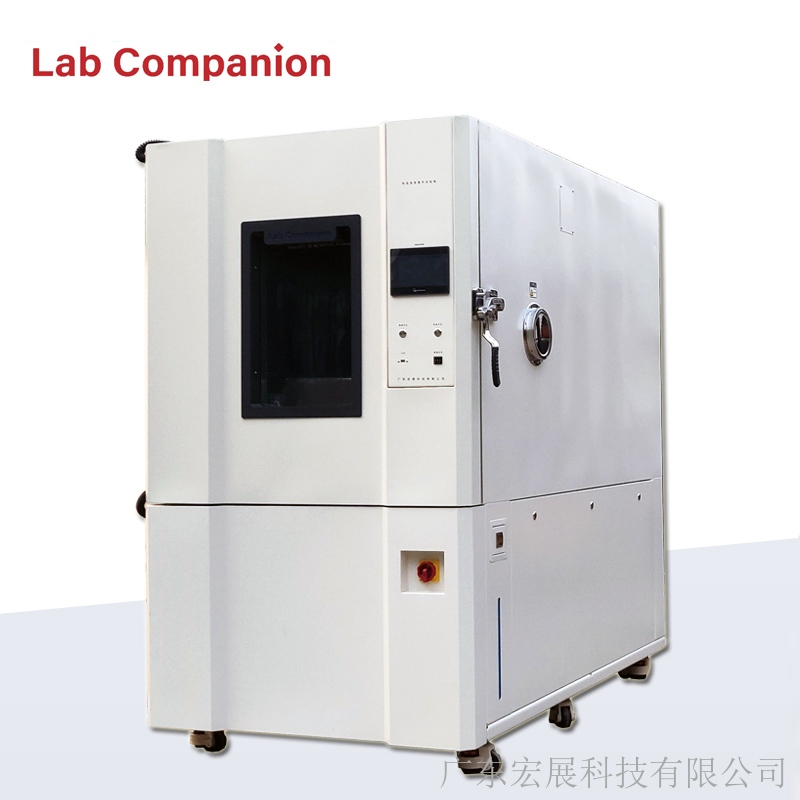
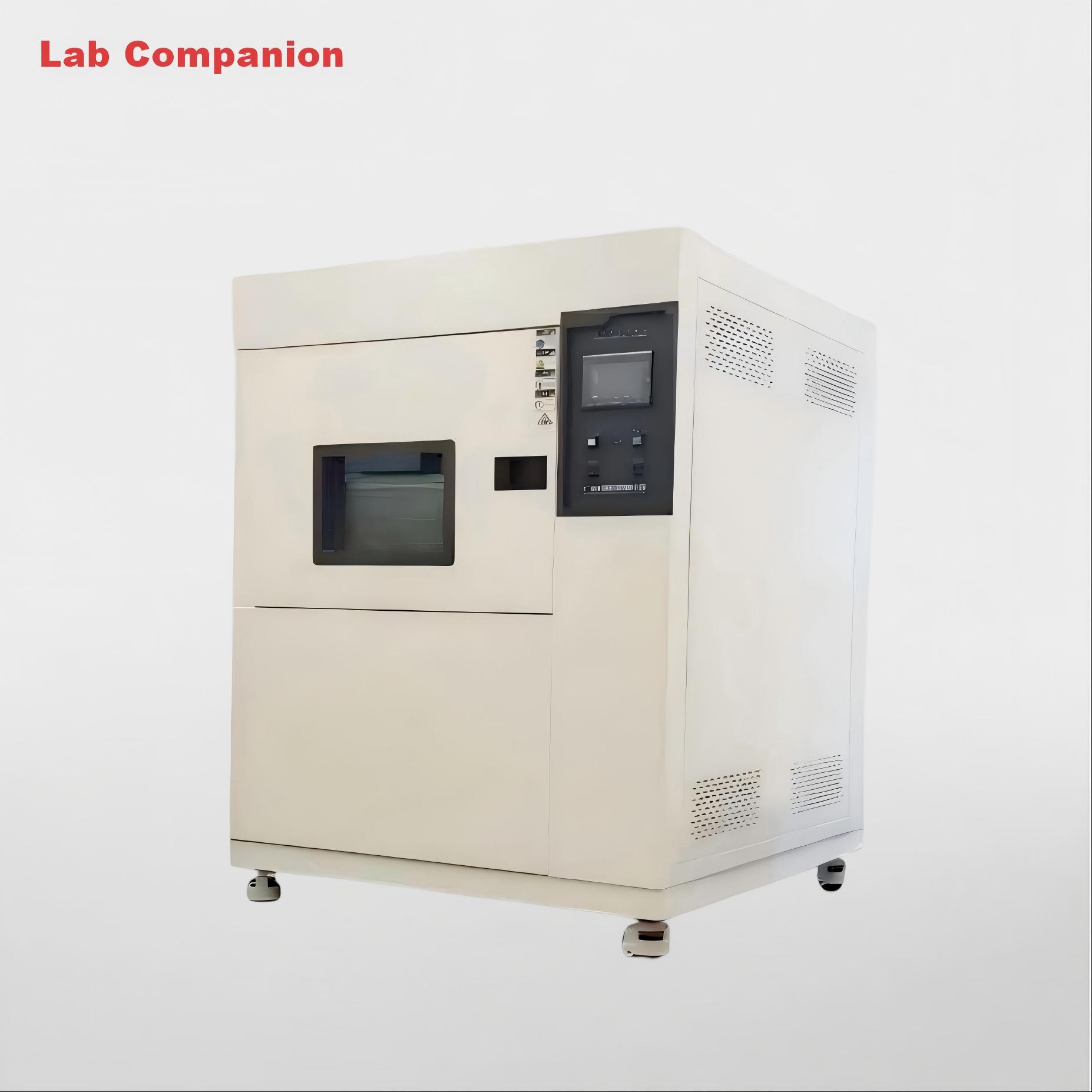
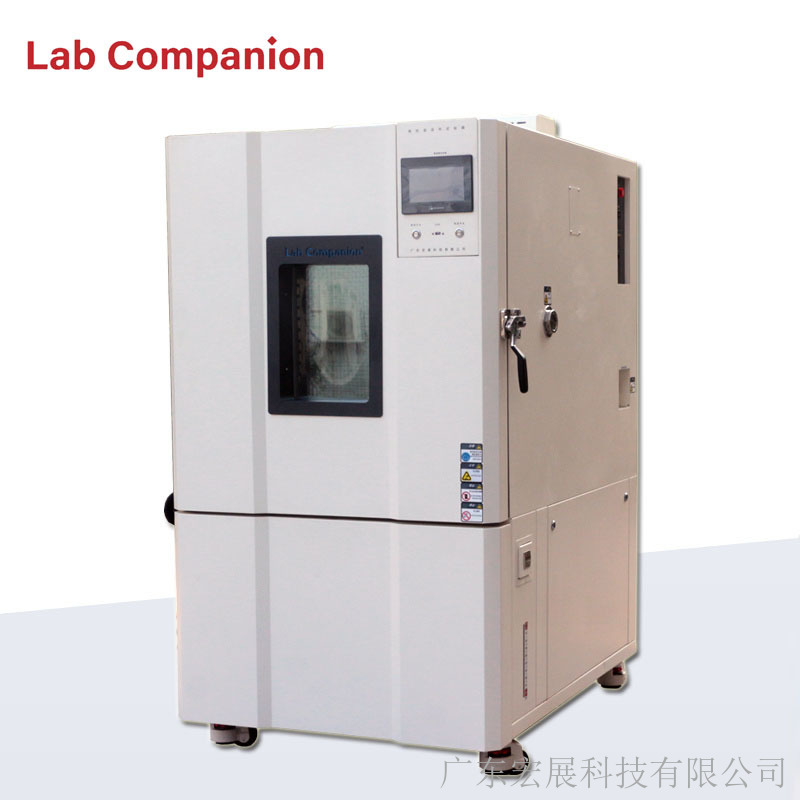
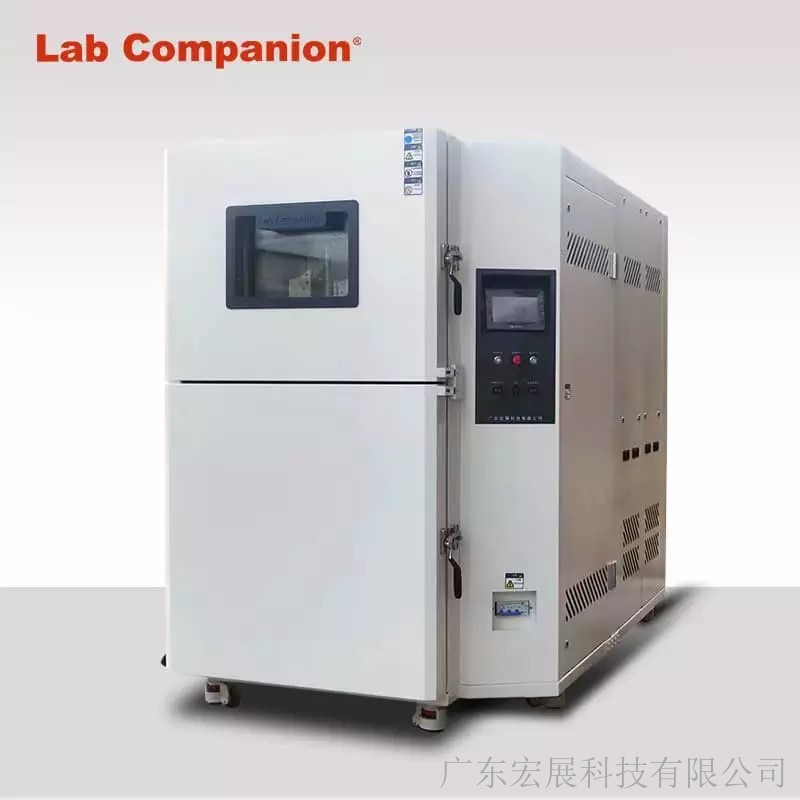
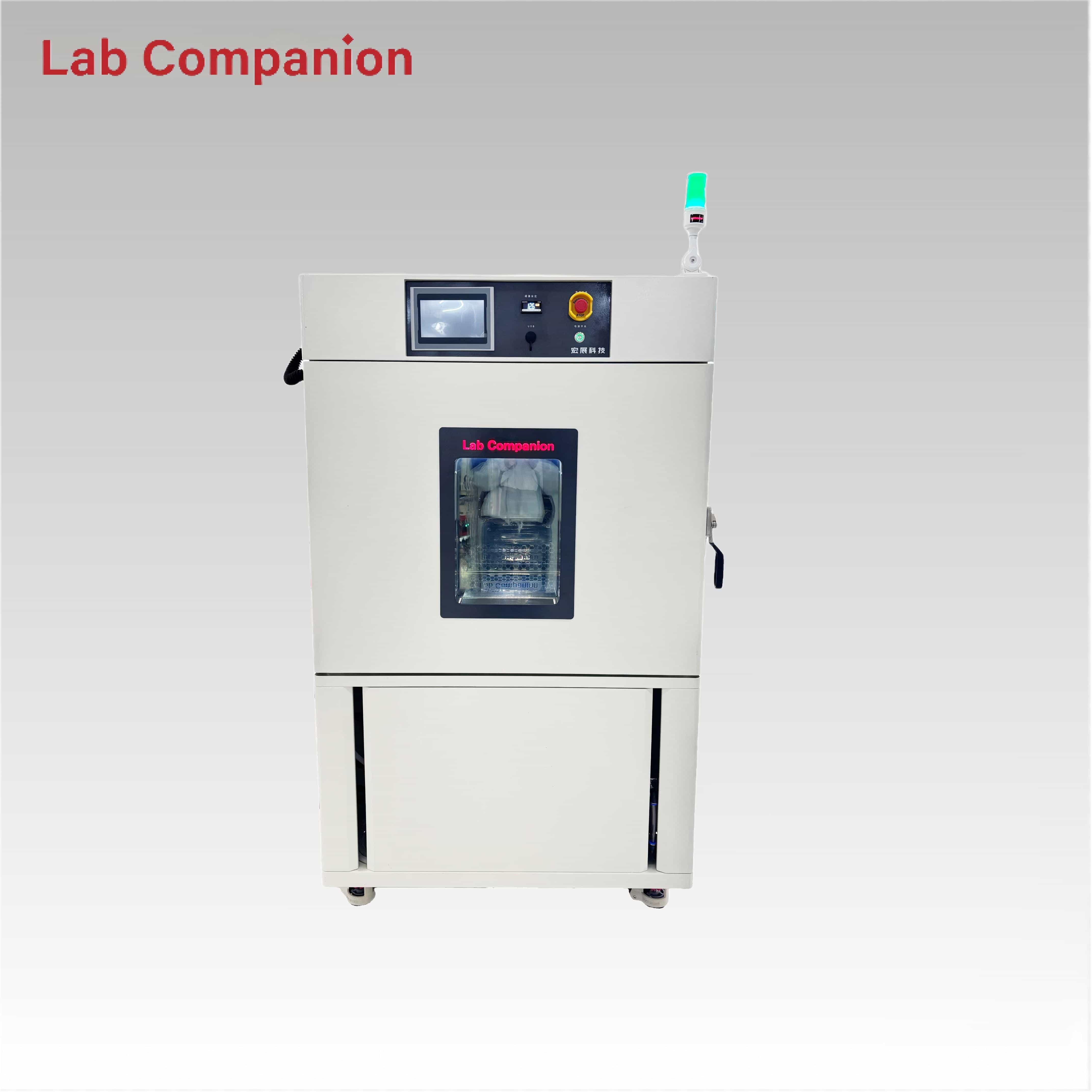
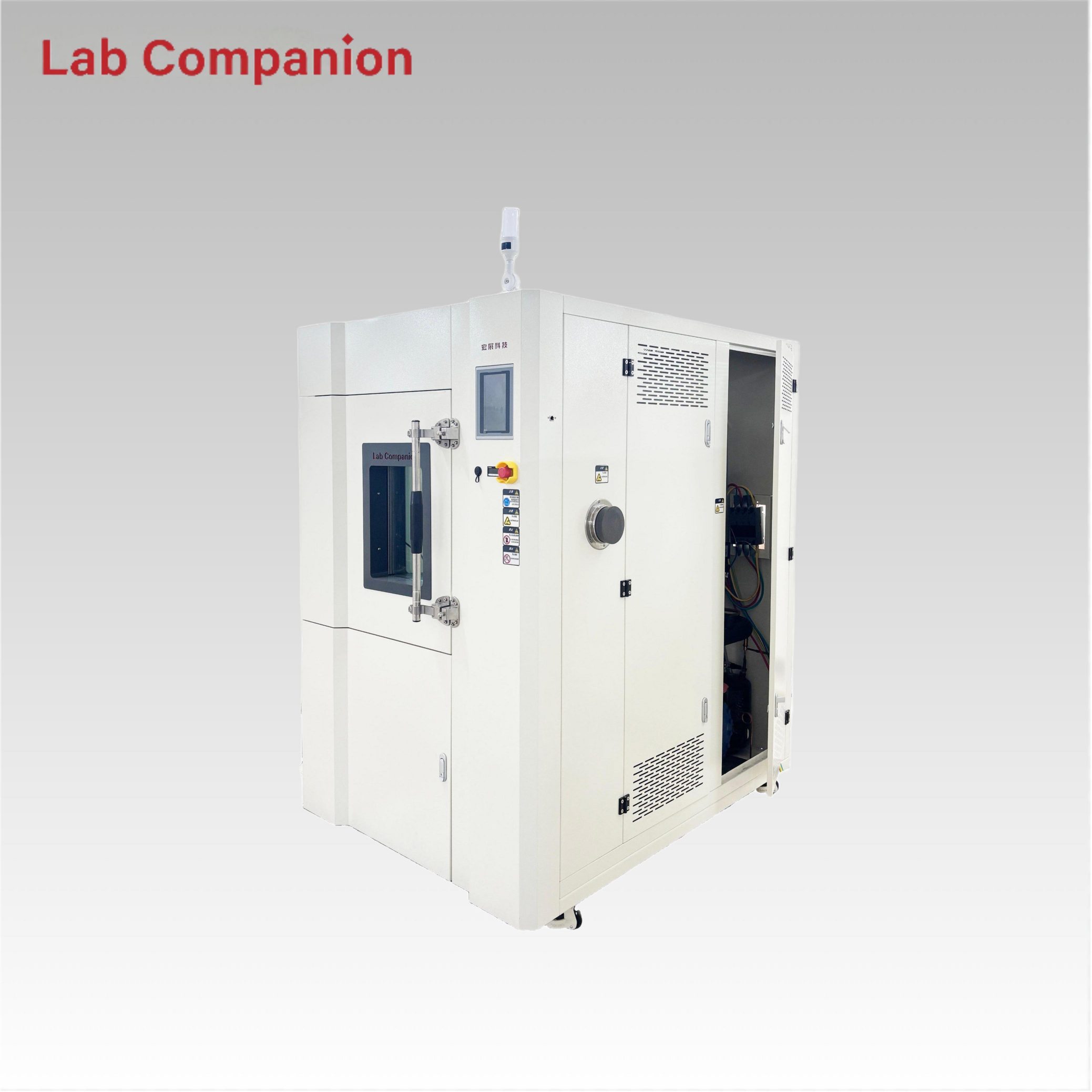
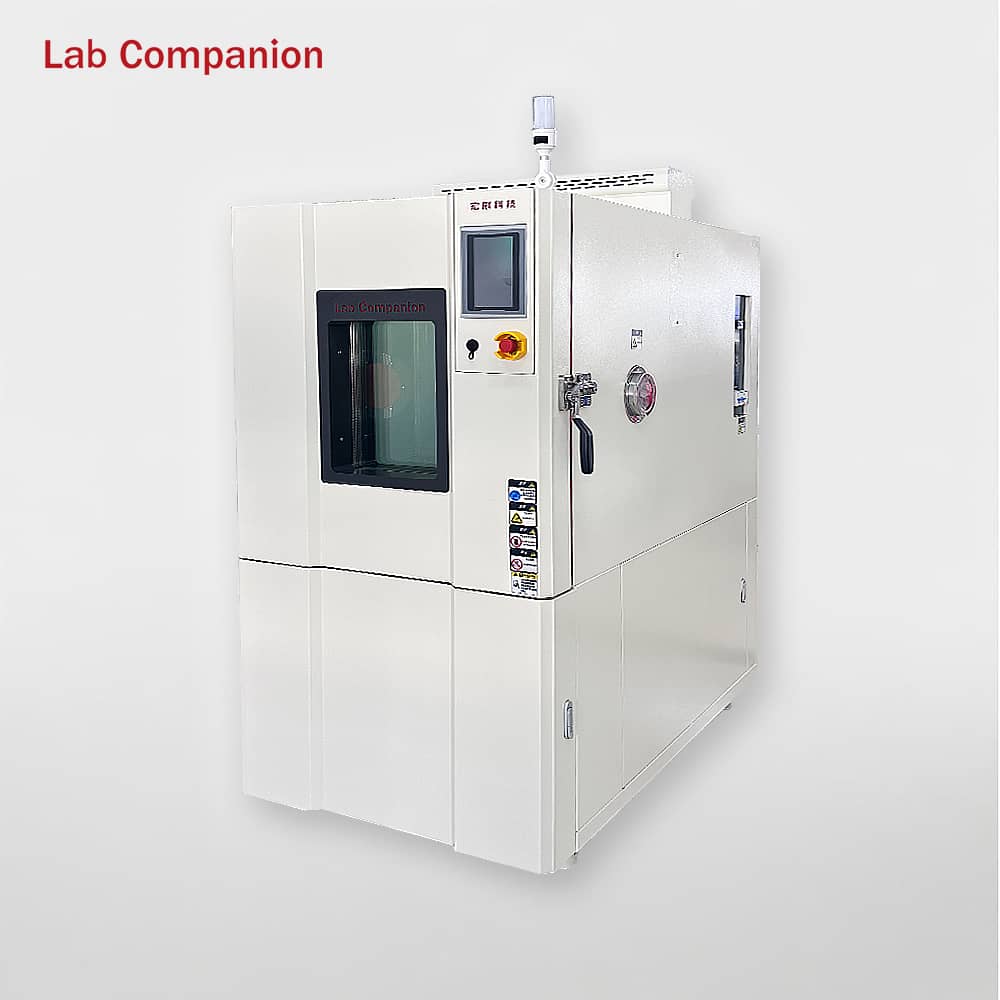
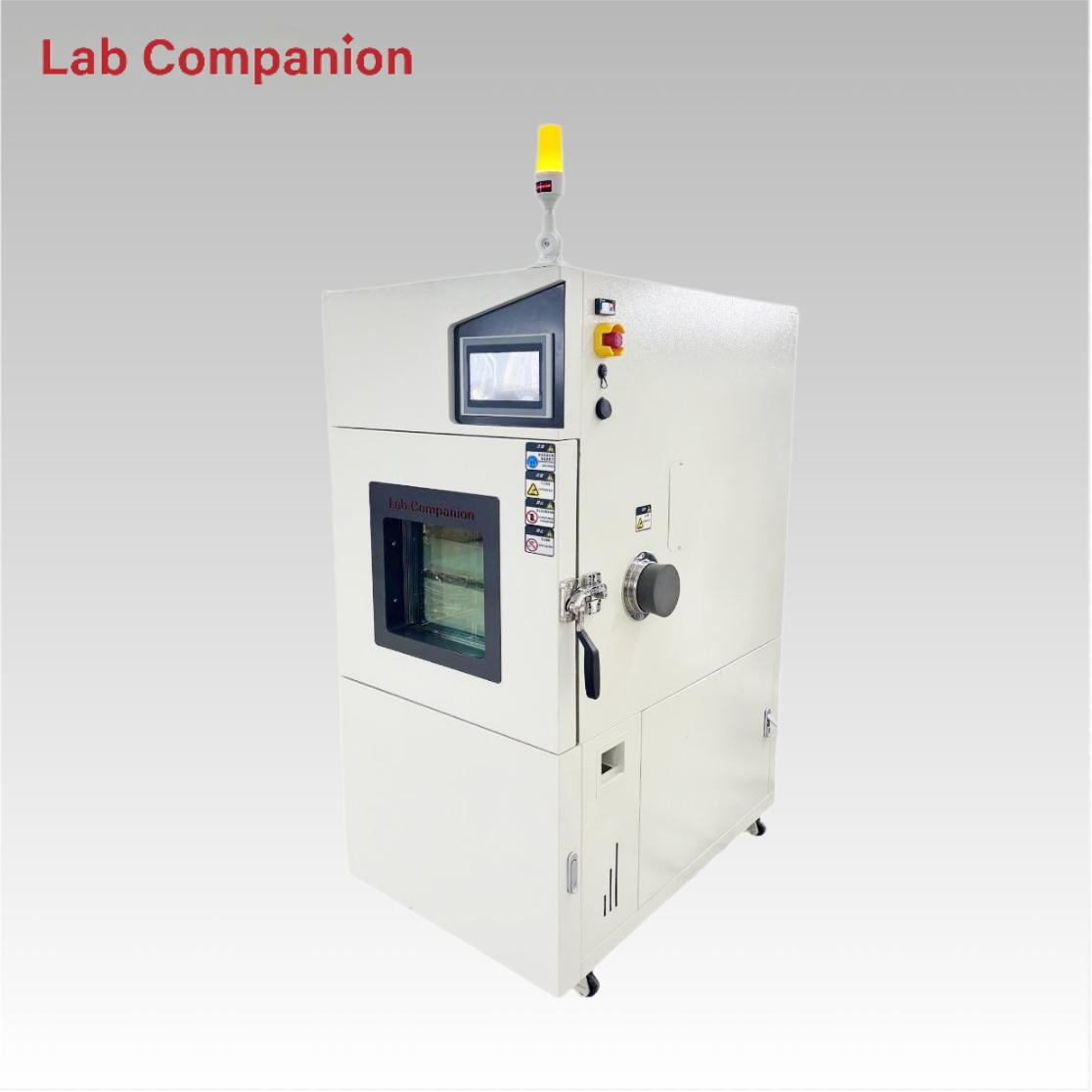
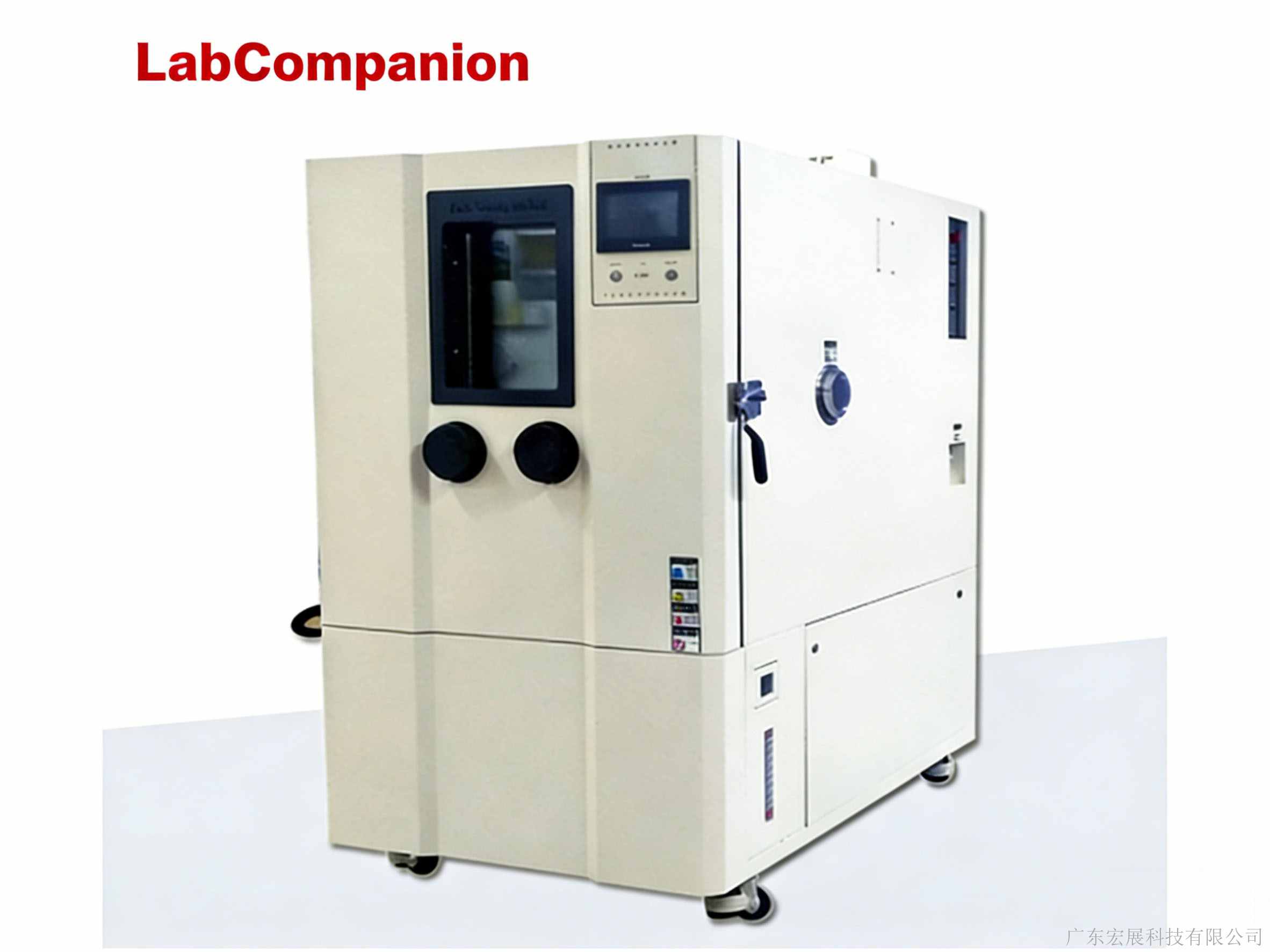


 Obtenez un devis
 Réseau IPv6 pris en charge